
36 Stunning Flower Bed Ideas That Will Transform Your Yard

Your garden deserves flower beds that make neighbors stop and stare in absolute wonder.
Whether you’re working with a tiny corner or sprawling landscape, these gorgeous ideas will help you create outdoor spaces that feel like pure magic.
From bold color schemes to clever design tricks, you’ll discover inspiration that transforms any yard into a breathtaking retreat.
01. Create Magic with Rich Jewel Tones

Credit: @thepsychgarden / Instagram
You’ll fall in love with how jewel-toned flowers create instant drama in your garden space.
Try combining deep blues, rich pinks, and vibrant magentas for a color palette that feels both luxurious and effortless. These bold hues work beautifully together and create stunning focal points that catch every eye.
02. Let Your Garden Go Beautifully Wild

Credit: @thelaundrygarden / Instagram
Don’t stress about following rigid design rules when you can embrace nature’s organic beauty instead.
Plant large clumps of mixed perennials with varying heights, textures, and colors for that coveted English cottage garden look. This approach creates natural flow while giving your beds incredible fullness and character.
03. Master the Art of Balancing Plant Shapes

Credit: @edenrowegardens / Instagram
You can create romantic garden magic by thoughtfully mixing round and spiky plant shapes throughout your beds.
Pair structured boxwood spheres with tall, spiky flowers, then add climbing vines and container plants for layers of visual interest. This balance creates pleasing compositions that feel both organized and naturally beautiful.
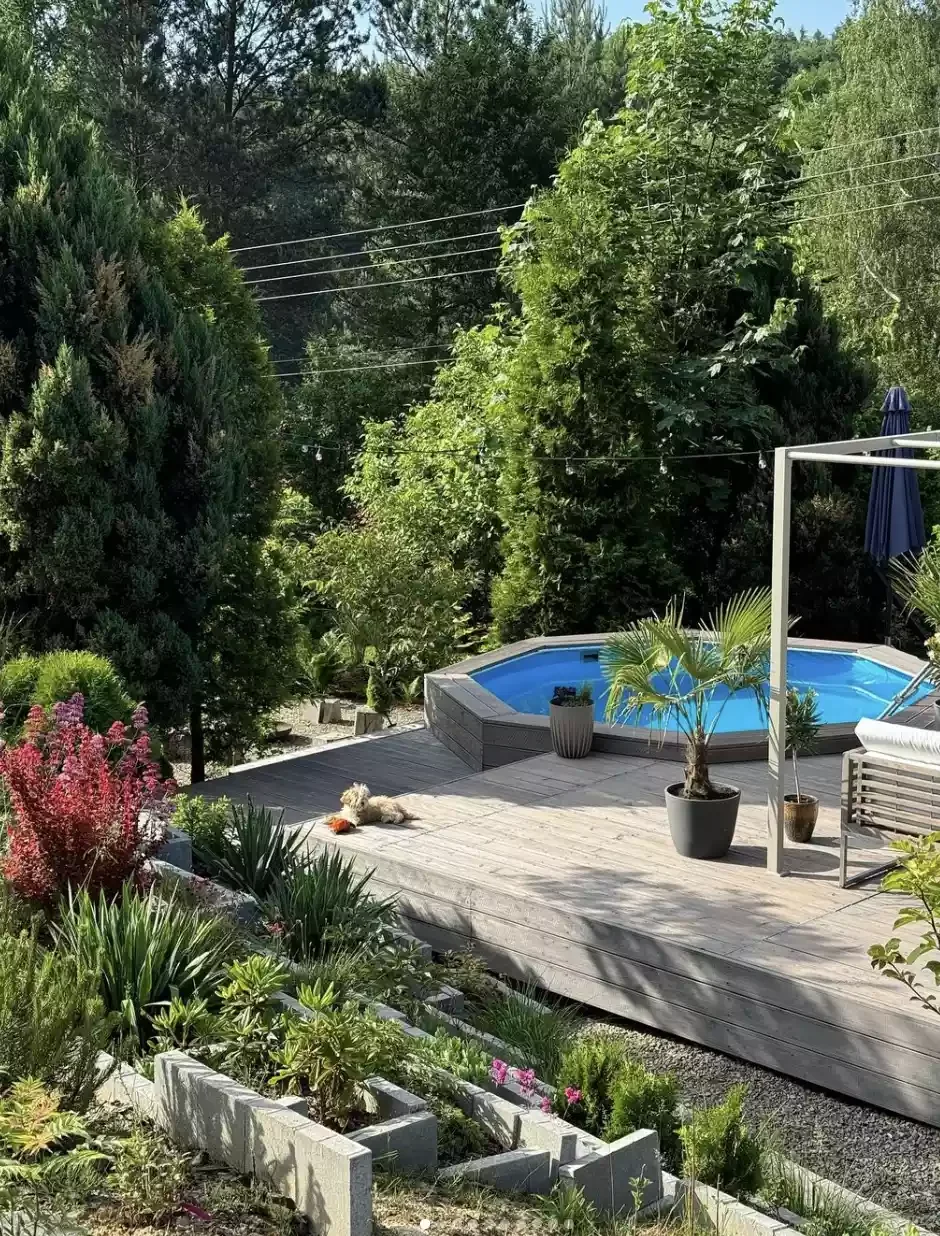
04. Add Modern Style with Concrete Dividers
Credit: Ann Living
Transform sloped areas into stunning terraced gardens using sleek concrete dividers that add both function and style.
These clean-lined elements bring modern industrial charm while preventing soil erosion on hillsides. Add matching planters at the base to create cohesive design that anchors your entire landscape beautifully.
05. Brighten Beds with Silvery Foliage Accents

Credit: @themayflygarden / Instagram
You’ll be amazed how silver-toned foliage transforms ordinary green gardens into something truly spectacular.
Mix silvery plants with yellow-green grasses and traditional green leaves for incredible depth and visual interest. This simple trick adds sophistication while making your flower beds feel more dynamic and professionally designed.
06. Essential Tips for Gorgeous Flower Bed Success

Start with healthy, nutrient-rich soil by adding compost and organic matter before planting anything in your beds.
Plan bloom times carefully, mixing perennials and annuals for continuous color throughout the growing season. Use natural mulch to suppress weeds, retain moisture, and give your beds that polished, finished appearance.
07. Create Dramatic Height with Vertical Elements

Credit: @andrewduffgardendesign / Instagram
Make your garden feel grand by incorporating trellises, climbing roses, and tall flowers like purple alliums.
This vertical approach maximizes your growing space while creating stunning backdrops for shorter plants. The layered heights add incredible dimension and make even small gardens feel lush and established.
08. Discover the Enchanting Beauty of White Flowers

Credit: fotolinchen
White flowers create magical evening gardens that seem to glow softly in fading sunlight and moonlight.
Plant white blooms to brighten dark corners and create romantic nighttime spaces perfect for evening relaxation. This classic approach brings timeless elegance while making your garden feel peaceful and serene.
09. Choose Colorful Plants That Love Dry Conditions

Credit: @thepsychgarden / Instagram
You can have vibrant color even in drought-prone areas by choosing plants like lavender that thrive in sandy soil.
These hardy beauties provide gorgeous purple blooms, heavenly fragrance, and attract beneficial pollinators to your garden. They’re perfect for water-wise gardening without sacrificing any visual impact.
10. Brighten Shady Spots with Light-Colored Plants

Credit: @thejardiniere / Instagram
Transform dark garden corners using white, silver, and pastel flowers that reflect available light beautifully.
Try white hydrangeas, silver lamb’s ear, and creamy caladiums to make shady areas feel bright and welcoming. These light-toned plants create stunning contrast against darker backgrounds while defining shadowy spaces.
11. Frame Walkways with Lush Flowering Borders

Credit: @thepsychgarden / Instagram
Create dramatic entrances by lining your pathways with abundant flower beds that welcome guests with color and fragrance.
This approach transforms ordinary walkways into garden experiences that delight everyone who visits. Choose fragrant roses or other aromatic plants to engage multiple senses along your garden paths.
12. Guide Eyes Through Large Gardens with Repetition

Credit: @thepsychgarden / Instagram
Use repeating plant groups to create rhythm and movement that draws visitors through your entire garden space.
Plant large drifts of the same flowers, like peachy astilbe, to create flowing patterns that feel natural yet intentional. This technique works especially well in larger landscapes where you want visual continuity.
13. Make Bold Statements with Pretty Pink Blooms

Credit: @themayflygarden / Instagram
Pink flowers bring instant charm and romance to any garden bed, especially when planted in generous quantities.
Choose varieties like David Austin roses for abundant blooms that create stunning focal points throughout your landscape. Pink works beautifully with both soft and bold color palettes, making it incredibly versatile.
14. Arrange Plants by Height for Natural Flow

Credit: @plantsplantsen / Instagram
Create professional-looking beds by placing shortest plants in front and gradually increasing heights toward the back.
This classic approach draws eyes naturally through your garden while ensuring every plant gets proper visibility. Use low boxwood hedging as front borders, then layer perennials and shrubs for perfect proportions.
15. Add Elegance with True Blue Flowering Plants
Credit: @andrewduffgardendesign / Instagram
Blue flowers bring sophistication and mystery to your garden beds while creating stunning contrasts with warm-colored blooms.
Try tall delphiniums, cheerful cornflowers, or spring bulbs like hyacinths for reliable blue color. These elegant flowers pair beautifully with yellow blooms for eye-catching combinations that feel both classic and fresh.
16. Design Pollinator-Friendly Beds with Cottage Style
Credit: @plantsplantsen / Instagram
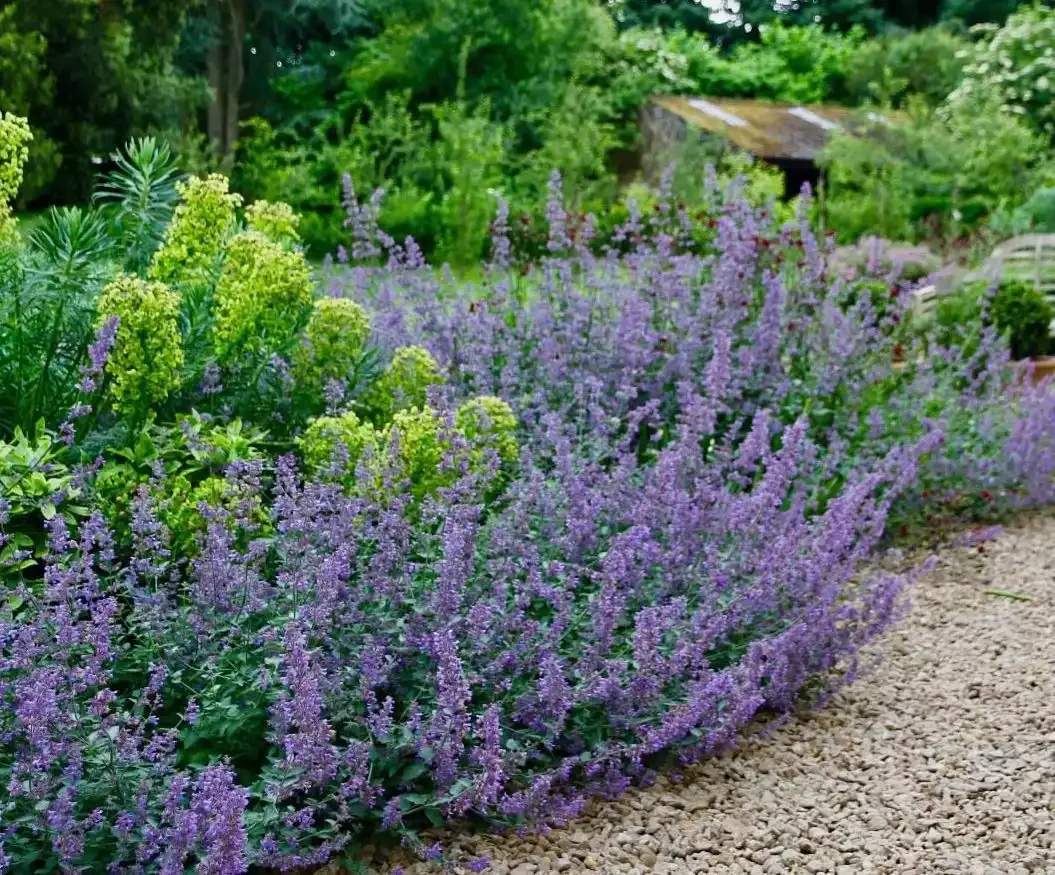
Create gardens that support wildlife by planting large drifts of pollinator-friendly flowers like blue catmint.
These beneficial plants attract hummingbirds, bees, and butterflies while providing gorgeous spiky textures and long-lasting color. Pair them with contrasting plants like lime green euphorbia for stunning visual combinations.
17. Create Drama with Opposing Color Combinations

Credit: @plantsplantsen / Instagram
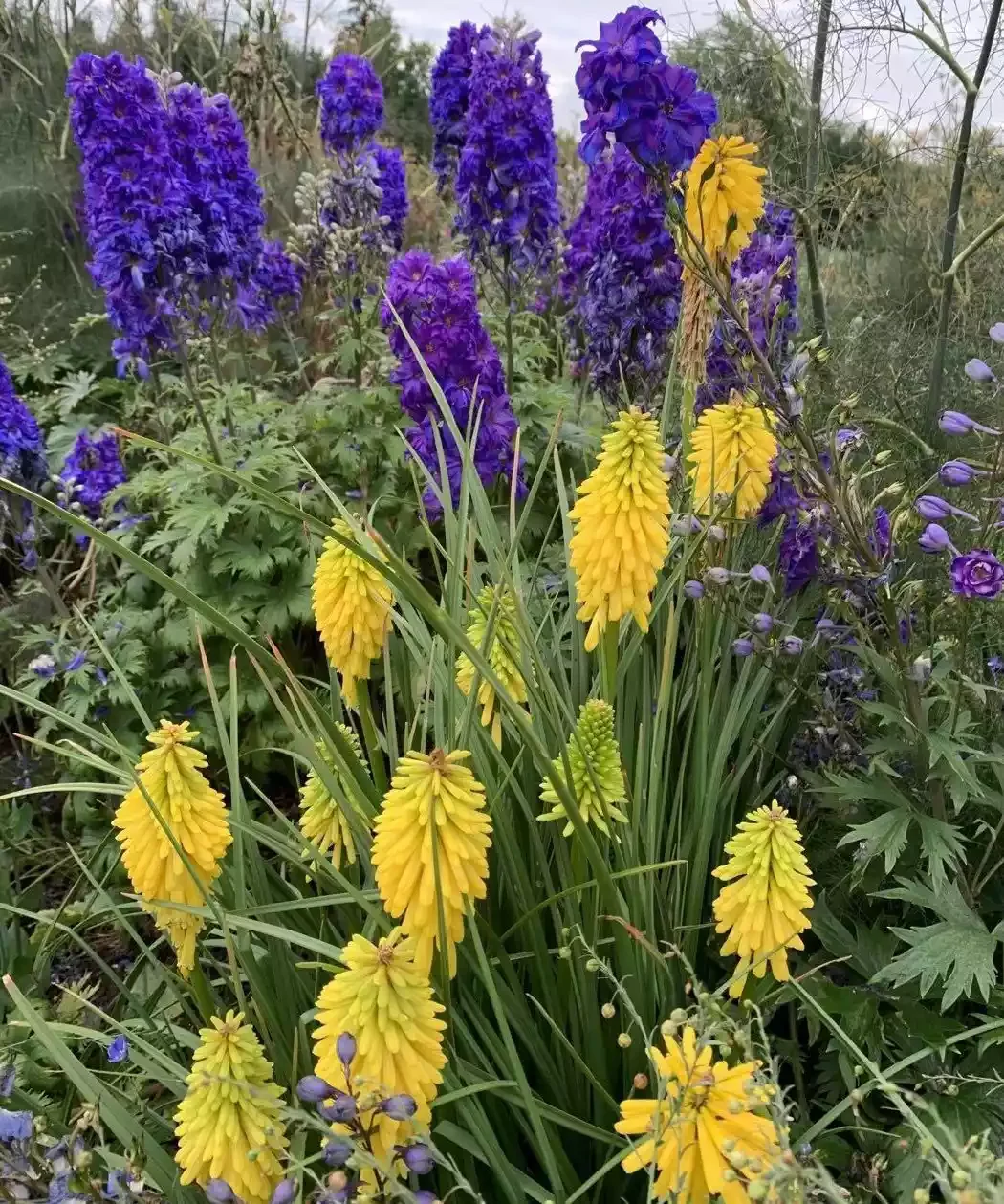
Make your flower beds impossible to ignore by using bold opposing colors like purple and yellow together.
These high-contrast combinations create instant drama and energy in your garden space. Try bright yellow kniphofia with deep purple delphiniums, or experiment with orange and blue for equally stunning results.
18. Transform Shady Areas with Lush Hosta Gardens

Credit: SEAN GLADWELL
Turn challenging shady spots into garden highlights using hostas, ferns, and other shade-loving perennials for incredible texture.
These low-maintenance plants thrive in difficult conditions while providing beautiful foliage patterns and late-summer flowers. Hostas are easily divided and moved, making them perfect for evolving garden designs.
19. Anchor Pergolas with Strategic Green Plantings

Credit: jameslee999
Soften hard architectural elements by surrounding pergola columns with lush green beds that create seamless transitions.
Use plants with different spreads and textures to maintain organic flow while continuing your color scheme. Wide-spreading hostas work beautifully to soften stone pathways and structural edges throughout your garden.
20. Make Bold Statements with Color Blocking Techniques

Credit: @thepsychgarden / Instagram
Create visually striking beds by separating colors into distinct blocks rather than mixing them randomly together.
This technique provides dramatic impact and modern appeal while maintaining organized, intentional design. You can soften the effect by creating colorful borders along bed edges for a more subtle approach.
21. Enhance Beds with Colorful Container Accents

Credit: @thewitchinghourisnigh / Instagram
Add extra pops of color using bright ceramic containers that complement your planted beds beautifully.
Containers provide design flexibility while allowing you to move plants for better growing conditions or seasonal changes. Try bright blue pots with blue flowers against silvery foliage for stunning artistic combinations.
22. Plan Three-Season Color with Strategic Perennials

Credit: @plantsplantsen / Instagram
Ensure continuous blooms by choosing perennials that flower at different times throughout the growing season.
This approach provides ever-changing color combinations while maximizing your garden’s impact from spring through fall. Mix early, mid, and late-season bloomers for beds that always offer something beautiful to admire.
23. Connect Separate Beds with Unifying Elements

Credit: @thepsychgarden / Instagram
Create cohesive landscapes by repeating colors and plant types across multiple beds throughout your property.
This technique unifies large gardens while allowing each bed to maintain its own personality and character. Use color connections that shift seasonally as different perennials come into bloom for dynamic, evolving beauty.
24. Create Spring Magic with All-Bulb Plantings

Credit: @thelaundrygarden / Instagram
Plant bulbs in fall for spectacular spring displays that multiply and improve year after year naturally.
Choose varieties like daffodils and grape hyacinths that increase over time, giving you more value each season. Combine white daffodils with pink tulips and blue grape hyacinths for cheerful spring celebrations.
25. Energize Gardens with Warm Fire-Toned Blooms

Credit: @thepsychgarden / Instagram
Make maximum impact with hot colors like burgundy, red, and vermillion that grab attention from across the yard.
These warm, rich tones create cozy, inviting spaces while providing incredible visual punch in any landscape. Fire-toned flowers work beautifully in both cottage-style and modern garden designs for versatile appeal.
26. Achieve Harmony with Monochromatic Color Schemes

Credit: @thejardiniere / Instagram
Create sophisticated beds using different shades of the same color for cohesive yet interesting displays.
Try various purple tones in foxgloves, alliums, and delphiniums for elegant transitions from light to dark. This approach provides visual interest while maintaining peaceful, harmonious color relationships throughout your garden space.
27. Pack Beds Full for Cottage-Style Abundance

Credit: @plantsplantsen / Instagram
Embrace the cottage garden approach by planting flowers close together for incredible fullness and abundant blooms.
This technique maximizes color impact while creating that coveted overflowing look that feels both romantic and established. Layer different heights and textures carefully to ensure every plant gets adequate growing space.
28. Mix Plant Styles for Unique Garden Personality

Credit: Lady Landscape
Add unexpected whimsy by combining traditional perennials with bold tropical plants for unique, eye-catching combinations.
Large-leafed tropicals provide dramatic contrast while echoing mature trees in your landscape for clever design continuity. This mixing approach creates gardens with distinctive personality that reflect your individual style preferences.
29. Add Surprise with Small Water Features

Credit: @thewitchinghourisnigh / Instagram
Break up expanses of foliage with charming water elements like bird baths or small ponds for delightful focal points.
These features provide peaceful sounds while attracting birds and beneficial wildlife to your garden space. Water elements create natural gathering spots that enhance your outdoor living experience beautifully.
30. Simplify Spring with Reliable Daffodil Displays

Credit: @thewitchinghourisnigh / Instagram
Create effortless early spring beauty with daffodils that multiply naturally and bloom reliably every year.
These dependable bulbs provide several weeks of cheerful color before dying back to make room for emerging perennials. Pair them with day lilies or hostas for seamless seasonal transitions in your beds.
31. Fill Large Spaces with Dramatic Umbrella Plants

Credit: @plantsplantsen / Instagram
Make bold statements in big gardens using umbrella plants with their enormous, textured leaves for incredible impact.
These architectural plants provide dramatic focal points while filling substantial space with their impressive size and unique form. They work especially well with tall background trees for layered, professional-looking landscapes.
32. Draw Color Inspiration from Nature’s Moments
Credit: @thewitchinghourisnigh / Instagram
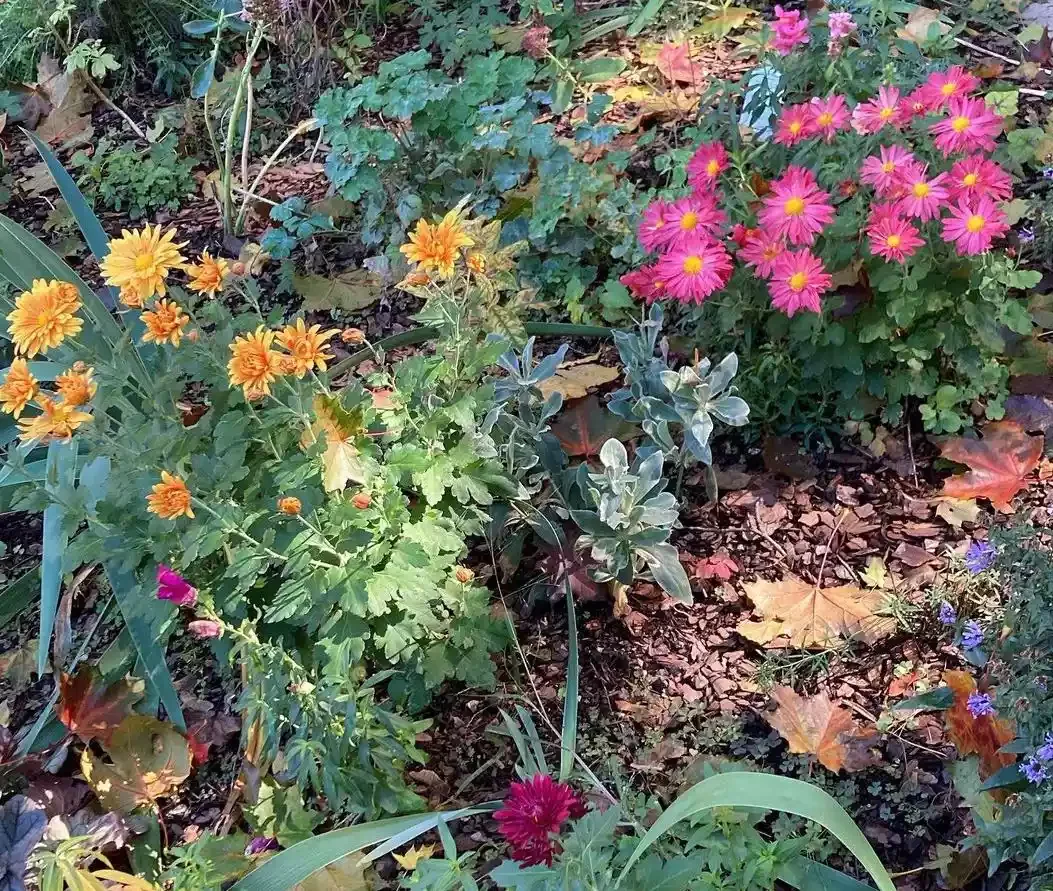
Design memorable color schemes by mimicking your favorite natural scenes like sunsets, autumn afternoons, or stormy skies.
Use flowers in sunset colors – oranges, yellows, and blues – for magical evening garden experiences. This approach creates emotionally resonant gardens that feel deeply connected to natural beauty.
33. Extend Fall Color with Perennial Mums

Credit: @andrewduffgardendesign / Instagram
Add reliable autumn color by planting perennial mums that return year after year with proper care.
Pinch back emerging growth through midsummer to encourage more fall buds and fuller plants. These hardy perennials provide essential late-season color when most other flowers are fading away naturally.
34. Create Sophisticated Beds with All-Green Plantings

Credit: @plantsplantsen / Instagram
Design elegant, subtle gardens using only green plants in varying shades, shapes, and textures for sophisticated appeal.
This monochromatic approach creates peaceful, restful spaces while showcasing the incredible diversity of foliage plants. Green gardens provide timeless beauty that works with any architectural style or color scheme.
35. Soften Bold Colors with Airy Plant Textures
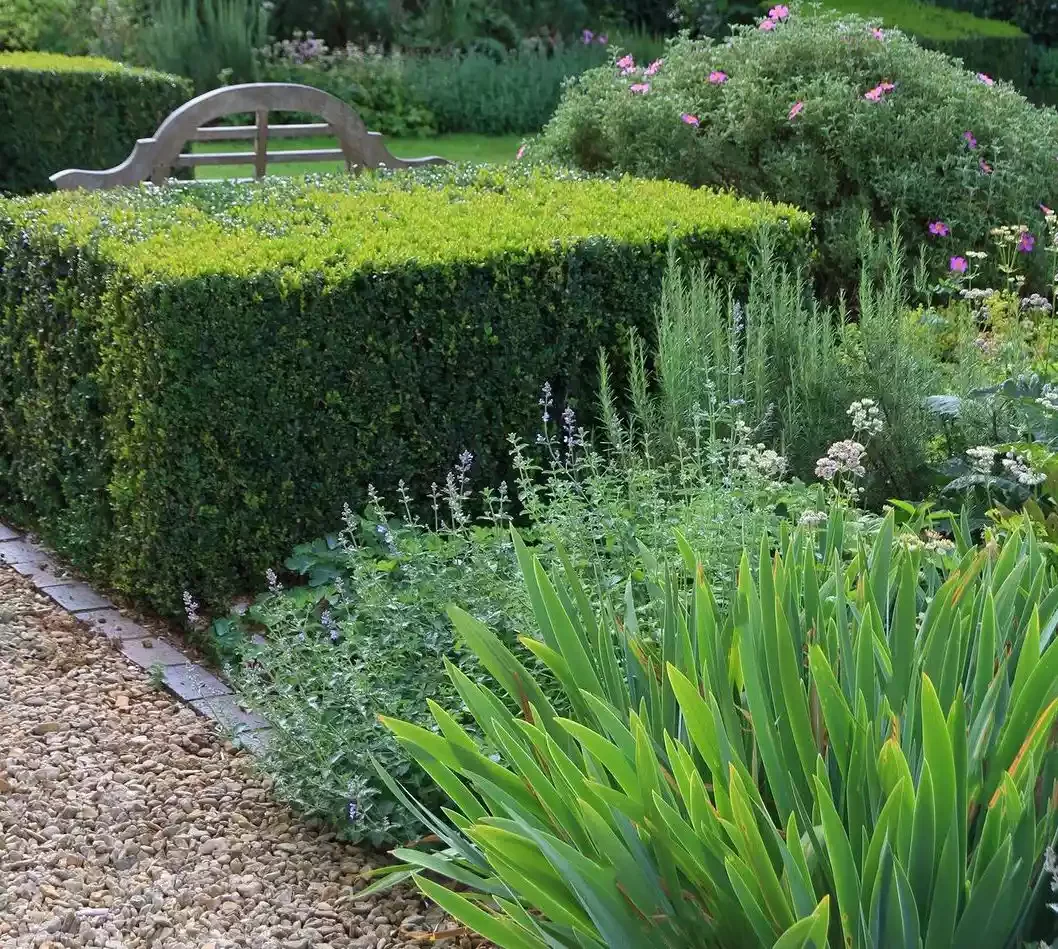
Credit: @andrewduffgardendesign / Instagram
Balance bright flower colors with soft, feathery plants like grasses and yarrow for dreamy, romantic garden feelings.
These drought-tolerant plants provide movement and texture while toning down intense colors naturally. The combination creates beds that feel both dynamic and peaceful, perfect for relaxing outdoor spaces.
36. Design with Geometric Plant Shapes

Credit: Lady Landscape
Create visually striking beds using plants with bold, architectural forms like spiky irises and structured boxwood hedges.
Mix solid, geometric shapes with airy textures for dynamic contrast that feels both modern and timeless. This approach works beautifully in contemporary garden designs while maintaining classic appeal.
37. Frame Outdoor Living Spaces with Flowering Borders
Define deck areas using thick flower beds that create beautiful transitions between hardscape and landscape elements.
Choose soft colors and textures to complement modern architecture while providing natural contrast to clean lines. This technique creates intimate outdoor rooms that feel both private and connected to your garden.
Final Thoughts
These flower bed ideas prove that gorgeous gardens are within reach for every homeowner, regardless of space or experience level.
Start with one or two concepts that speak to your personal style, then build your confidence as you discover what works best in your unique space.
Remember that the most beautiful gardens reflect their owners’ personalities, so trust your instincts and have fun creating outdoor spaces that bring you daily joy.