
12 Kitchen Tile to Wood Floor Transition Ideas for Seamless

You’ve probably wondered how to create that perfect flow between your kitchen tile and hardwood floors without making it look awkward or choppy.
The secret lies in choosing the right transition technique that complements both materials while maintaining your home’s overall aesthetic.
Let’s explore twelve stunning approaches that will transform your space into a cohesive, beautifully designed home.
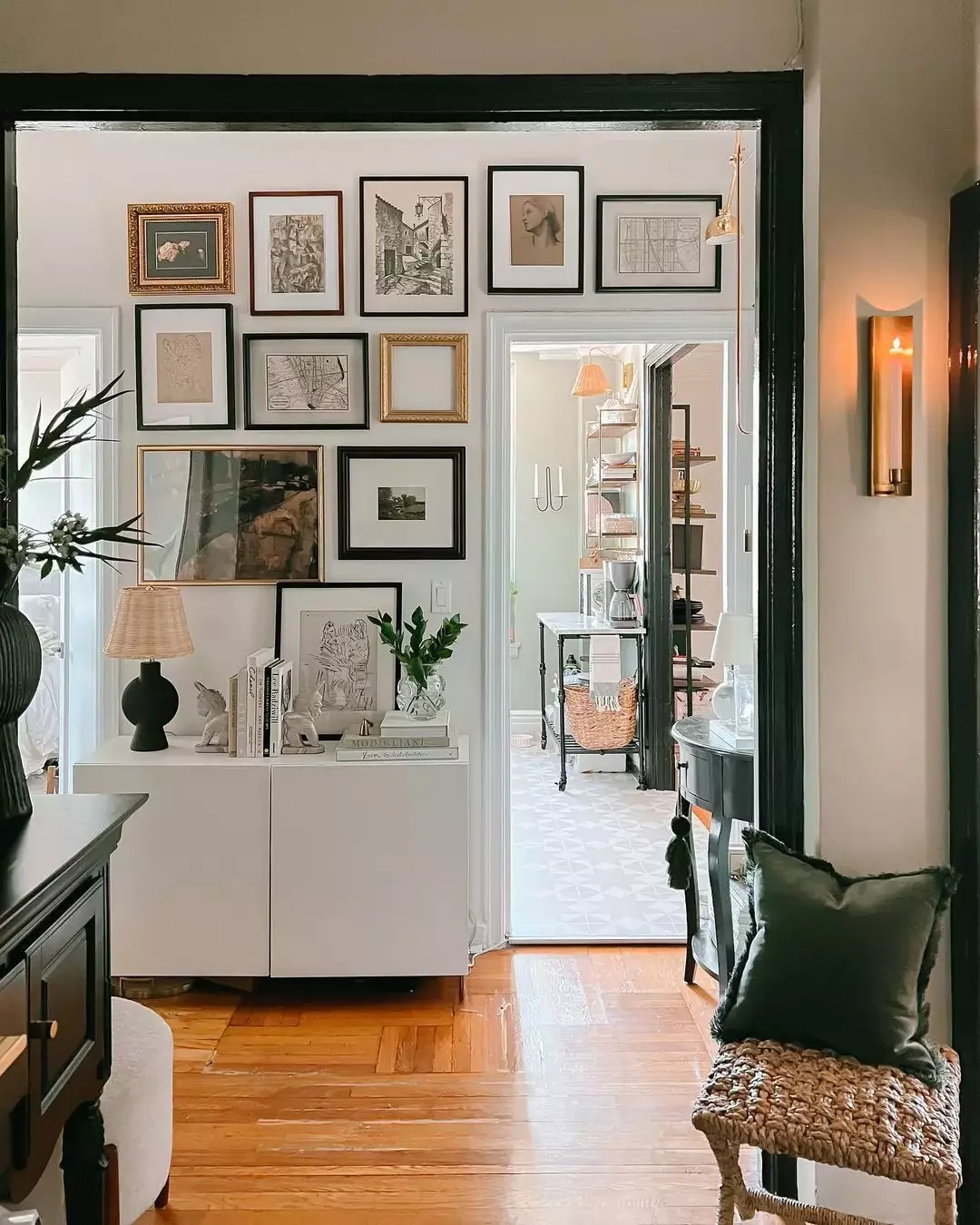
01. Removable Peel-and-Stick Solution
Credit: @mariannesides / Instagram
You’ll love how peel-and-stick tiles give you gorgeous pattern without the permanent commitment or hefty price tag.
This gray and white design creates stunning visual impact in small galley kitchens while being perfect for renters. The best part? You can easily update your look whenever inspiration strikes without damaging existing floors.
02. Classic Black and White Checkerboard Design

Credit: @annawpage / Instagram
Your timeless black and white checkerboard tile will never go out of style, especially in classic apartment settings.
This traditional pattern creates beautiful contrast against warm wooden floors throughout your home. The key is letting each material shine in its own space while maintaining that seamless visual connection between rooms.
03. Bold Terrazzo Statement Flooring

Credit: Design by Ike Baker Velten / Photo by Richard Powers
You can make a dramatic statement by using terrazzo tile on both your floors and backsplash for maximum impact.
This speckled design pairs beautifully with patterned wood floors that complement rather than compete. The trick is choosing patterns that speak to each other without overwhelming your space with too much visual noise.
04. Light Wood Tile Coordination

Credit: Design by Form Collective / Photo by Eli Chamberlin
You’ll create incredible harmony when you match light kitchen tiles with equally light wooden floors throughout your space.
This approach works especially well when your kitchen island and cabinetry share similar wood tones. The consistent color palette makes your entire area feel larger and more cohesive than mixing drastically different shades.
05. Dark Tone Matching Strategy

Credit: Design by Arthur Zobel of Zobel & Co. Kitchens / Photo by Chris Sanders
You can achieve sophisticated elegance by keeping your dark kitchen tile and wood flooring in the same tonal family.
Balance this dramatic look with lighter cabinetry that flows seamlessly between rooms. This approach creates depth while maintaining visual consistency that makes your home feel thoughtfully designed and intentional.
06. Smooth Flush Finish Technique

Credit: Kligerman Architecture & Design / Photo by Richard Powers
You’ll get professional results by creating a flush finish using plywood underlayment to level your surfaces perfectly.
This technique eliminates the need for threshold strips while keeping both materials at exactly the same height. The result is a seamless transition that looks custom-designed and flows beautifully from room to room.
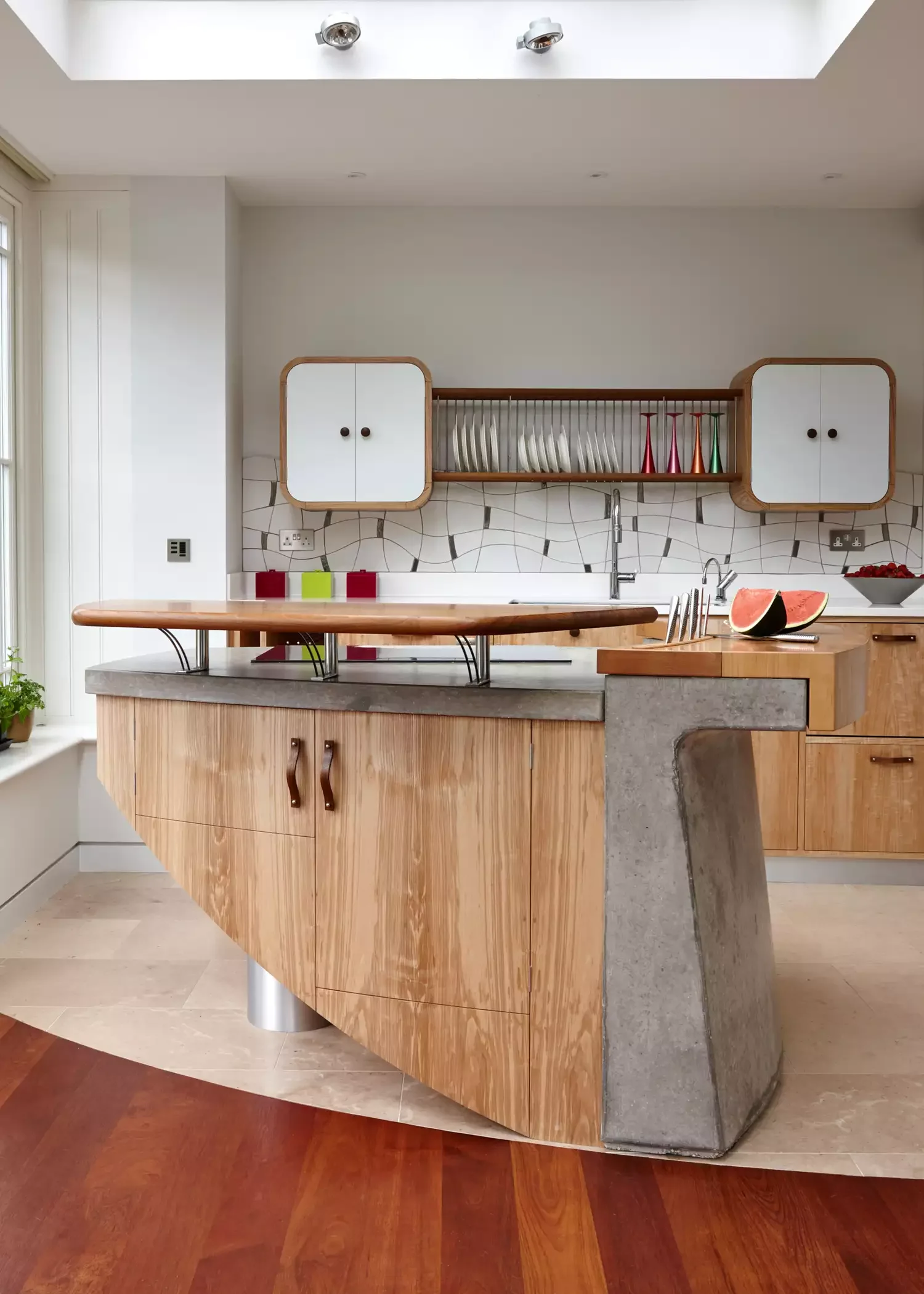
07. Creative Curved Transition
Credit: Design by Johnny Grey Studios / Photo by Benedict Grey
You can add unexpected charm by cutting your kitchen tile into organic, curved shapes that flow naturally.
This playful approach works by installing tile over existing wood flooring and carefully cutting custom curves. It’s perfect for creating unique focal points that make your kitchen feel like a true work of art.
08. Mixed Wood Tone Approach

Credit: Cameo Kitchens
You’ll create cheerful bistro vibes with penny tile that wraps beautifully around your wooden kitchen island.
Don’t be afraid to mix different wood tones throughout your space for added visual interest. The key is choosing warm colors that complement your cabinetry and built-ins rather than fighting against them.
09. Contemporary Minimalist Style

Credit: Califia Home Design / Photo by Kathryn MacDonald
You can achieve sleek modern appeal with dark kitchen tile that creates stunning contrast in minimalist spaces.
Try placing a white area rug over your dining room flooring to brighten the adjoining space. This approach balances the dramatic dark tile while maintaining that clean, contemporary aesthetic you’re going for.
10. Artistic Hexagon Extension

Credit: Design by KBF Audi / Photo by Renee Alexander
You’ll make a bold artistic statement by extending hexagon tile beyond your kitchen into the adjoining dining area.
This eclectic approach definitely isn’t for everyone, but it creates incredible visual interest and personality. The geometric pattern becomes a stunning design element that transforms your entire first floor into gallery-worthy space.
11. Defined Threshold Separation

Credit: Design by KBF Audi / Photo by Renee Alexander
You might prefer a more defined separation between your gray kitchen tile and wooden hallway flooring.
A threshold strip creates distinct boundaries between rooms while still maintaining visual flow. This approach works beautifully when you want each space to feel separate but connected, especially in more traditional home layouts.
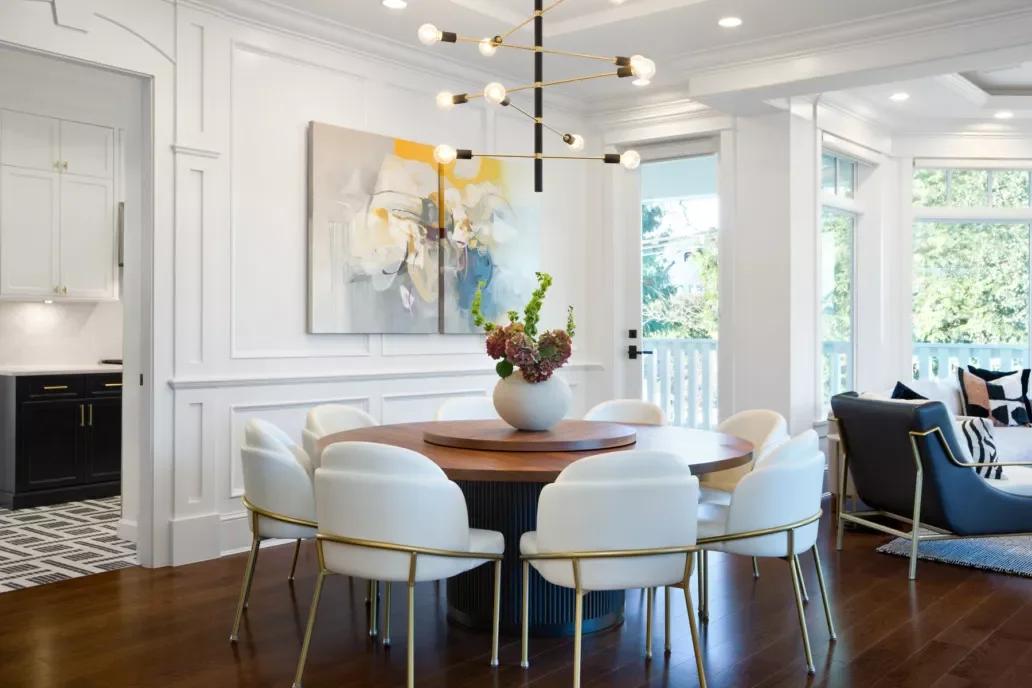
12. Balanced Pattern Mixing
Credit: Design by Form Collective / Photo by Christina Faminoff
You’ll want to balance patterned kitchen tile with simple, solid wood flooring to avoid overwhelming your space.
Keep your adjoining dining room walls white to add visual breathing room and simplicity. This approach lets your beautiful tile be the star while ensuring your entire home feels cohesive and thoughtfully designed.
Final Thoughts
You now have twelve fantastic strategies for creating seamless transitions between your kitchen tile and hardwood floors.
Remember that the best approach depends on your home’s style, your personal preferences, and whether you want subtle blending or dramatic contrast.
Take time to consider your overall design goals before making your final decision, and don’t be afraid to mix techniques for truly custom results.