
Top Vegetable Garden Ideas for Fresh Produce Year-Round

You deserve a vegetable garden that produces fresh, delicious food while looking absolutely stunning in your outdoor space.
Whether you’re working with a tiny balcony or a sprawling backyard, these clever ideas will transform your growing area into something both functional and beautiful.
Let’s explore creative ways to design a garden that keeps your kitchen stocked with homegrown goodness all season long.
01. Design Gravel Walkways Around Your Raised Beds

Credit: PaulMaguire
You’ll love how gravel pathways instantly make your raised beds look professionally designed while solving muddy walkway problems.
Unlike mulch that needs yearly replacement, gravel provides excellent drainage and creates clean lines that define your garden spaces beautifully.
02. Build Your Own Chicken Wire Protection

Credit: YinYang
You can protect your precious vegetables from hungry wildlife using affordable chicken wire wrapped around wooden stakes or poles.
This budget-friendly solution keeps rabbits and woodchucks away while maintaining easy access to your plants for harvesting and maintenance.
03. Position a Charming Scarecrow

Credit: Jelena990
You might think scarecrows are old-fashioned, but they’re surprisingly effective at keeping crows and other pests away from your crops.
Change your scarecrow’s outfit every few weeks to keep clever crows guessing, since they’re smart enough to recognize familiar figures.
04. Incorporate Colorful Flowers for Visual Appeal

Credit: U. J. Alexander
You’ll boost both beauty and productivity by planting flowers like cosmos, zinnias, and sweet peas near your vegetable beds.
These blooms attract beneficial pollinators while deterring harmful pests, creating a stunning garden ecosystem that works harder for you.
05. Install Natural Wood and Bamboo Supports

Credit: cjp
You can create rustic charm while supporting your plants using wooden stakes, bamboo poles, and wicker arbors throughout your garden.
These natural materials add vertical interest and define growing spaces while providing sturdy support for climbing vegetables and vines.
06. Choose Durable Metal Raised Beds

Credit: Joanne Dale
You’ll appreciate how galvanized steel beds offer long-lasting durability and clean lines that snap together easily for instant garden organization.
Plant taller vegetables like tomatoes in back, with cascading herbs and greens spilling over the front edges for maximum visual impact.
07. Repurpose Vintage Baskets for Herb Growing

Credit: gaffera
You can transform weathered bushel baskets into charming planters that hold your favorite herbs throughout the growing season.
Store them dry during winter months, and refresh any mustiness with vinegar spray followed by sunshine to keep them beautiful.
08. Maximize Space with Vertical Growing Systems

Credit: L Feddes
You don’t need much space to grow abundant food when you think vertically using trellises, stakes, and containers.
This efficient approach works perfectly for balconies and patios, supporting tomatoes, beans, cucumbers, and even compact melons in small areas.
09. Install a Rain Collection System

Credit: schulzie
You’ll ensure your garden stays hydrated during dry spells by installing a rain barrel near your growing area.
Choose from classic wooden barrels, modern plastic designs, or metal options that complement your garden’s style while conserving water resources.
10. Support Climbing Plants with Trellises

Credit: L Feddes
You can create dynamic garden designs by encouraging beans, peas, cucumbers, and squash to climb existing fences or custom supports.
This vertical growing method maximizes your harvest while adding architectural interest that makes your garden feel more intentionally designed.
11. Organize Tools with Outdoor Storage Solutions
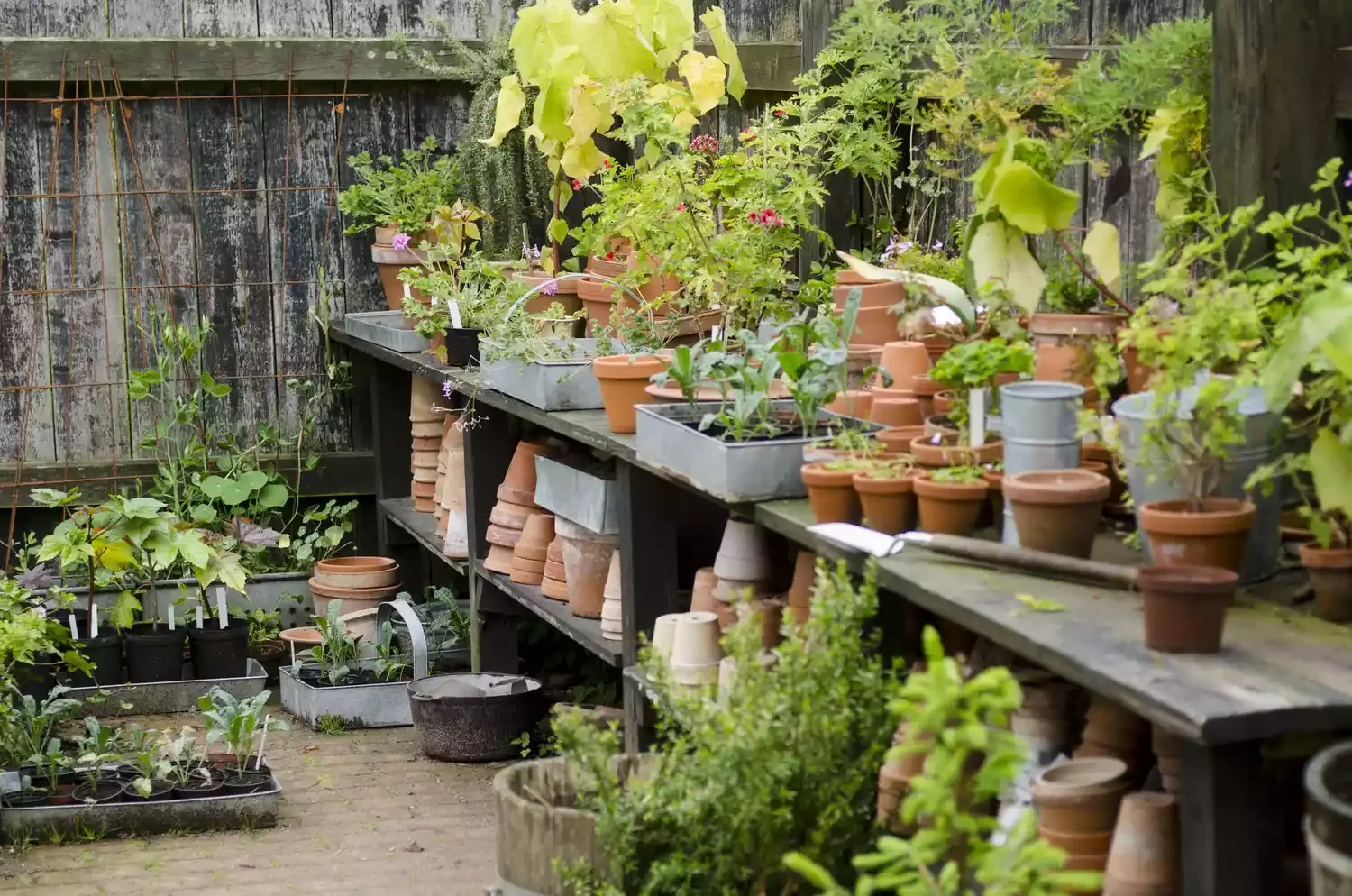
Credit: linephoto
You’ll work more efficiently with a dedicated workspace featuring wooden shelving or repurposed crates for storing garden essentials.
Keep terracotta pots, soil amendments, hand tools, and gloves easily accessible so you don’t waste time searching for supplies.
12. Construct Budget-Friendly Wooden Enclosures
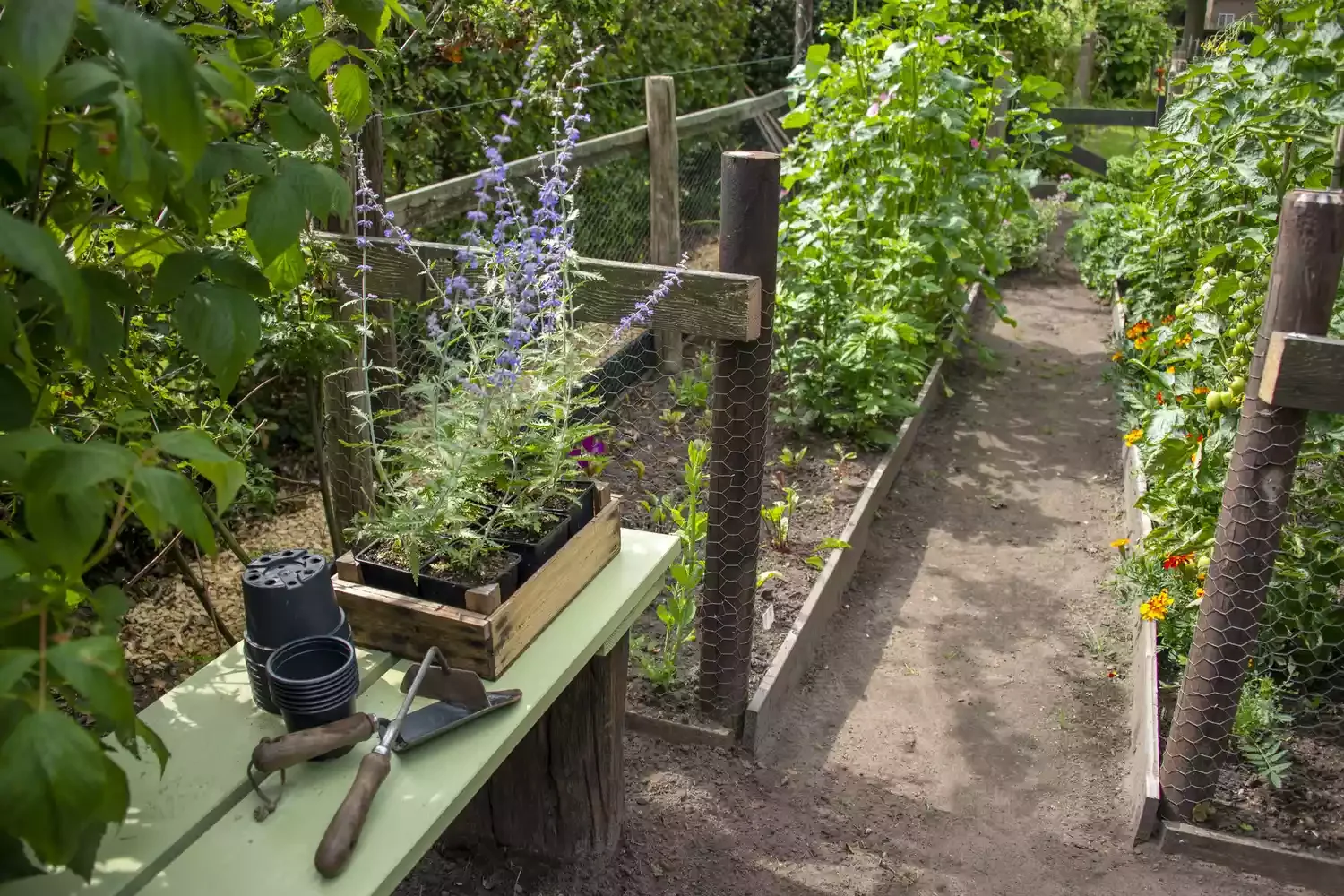
Credit: FrankvandenBergh
You can build beautiful garden structures using salvaged wood from renovation projects or discarded materials found locally.
This eco-friendly approach lets you create custom fencing, plant enclosures, and seating areas for practically nothing while reducing waste.
13. Protect Plants with Removable Wire Covers
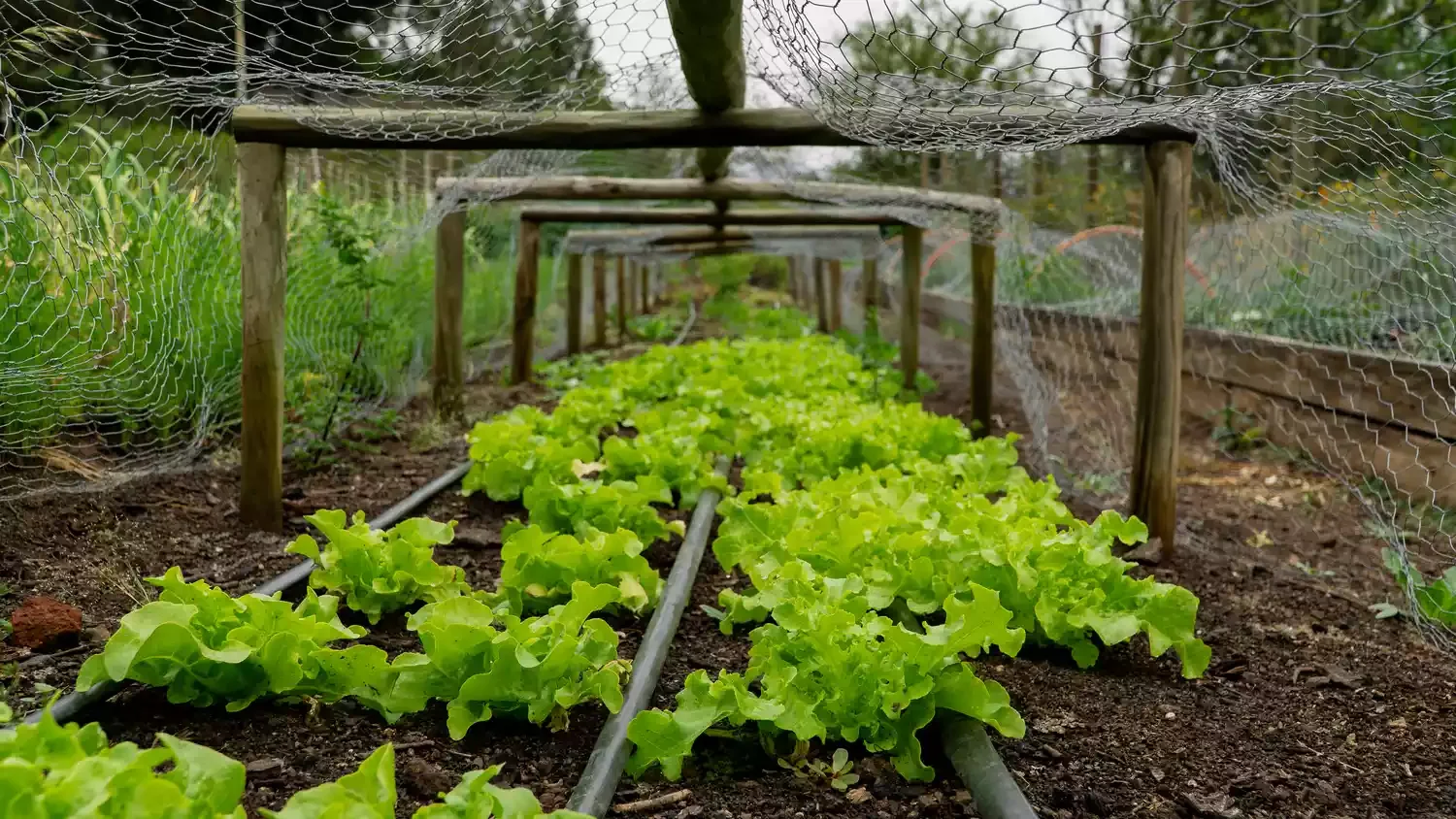
Credit: Capturas E
You’ll outsmart hungry animals by creating lightweight chicken wire cages that lay over wooden frames and secure with stones.
This reusable protection system rolls up for easy storage and provides season-long defense against nibbling pests at minimal cost.
14. Utilize Balcony Railings for Container Gardens

Credit: HeikeRau
You can transform your sunny balcony into a productive growing space by hanging containers from railings using wire cages.
This urban gardening hack maximizes limited space while keeping fresh greens and herbs within easy reach for daily cooking.
15. Pack Raised Beds with Diverse Plant Combinations
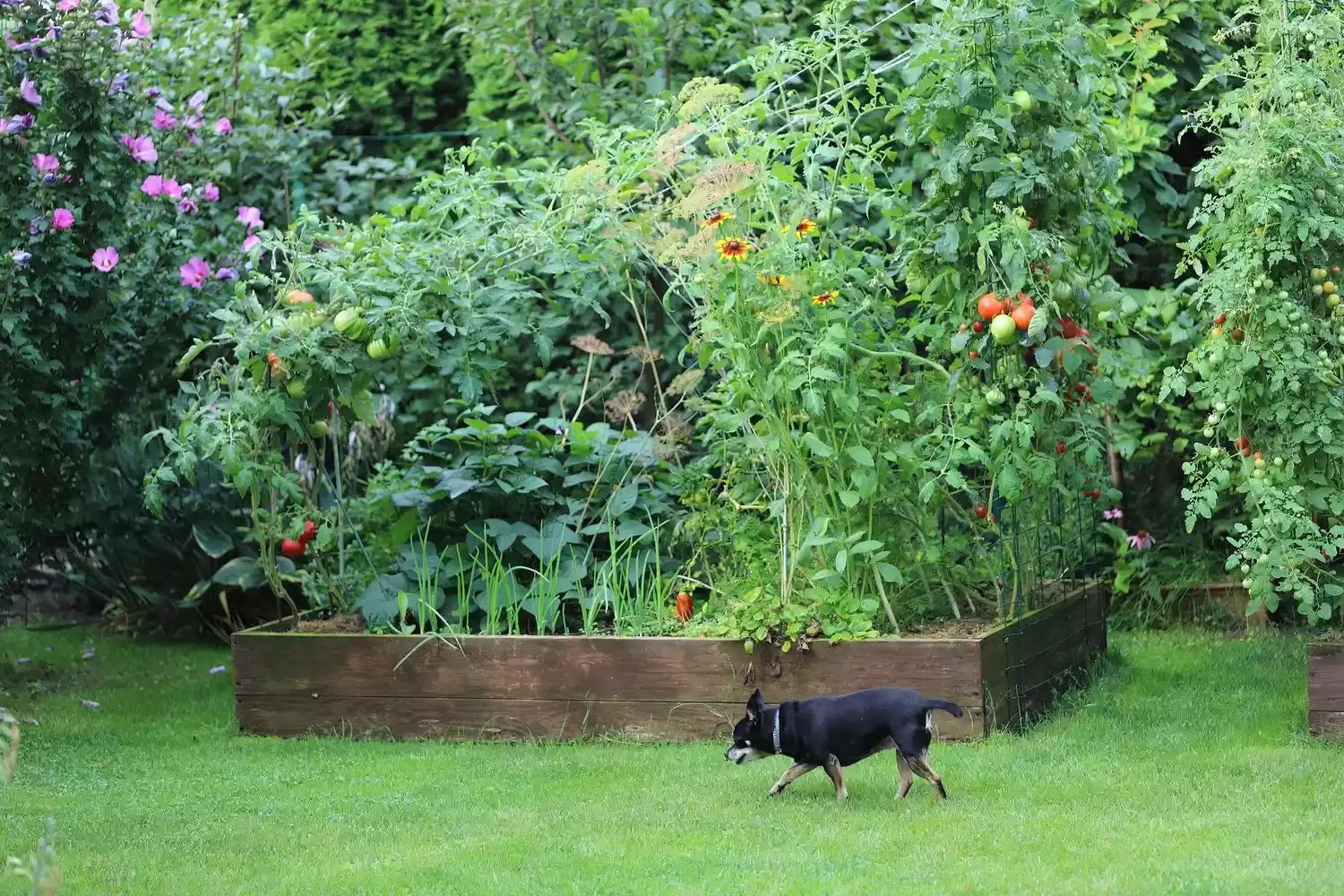
Credit: Tomasz Klejdysz
You’ll maximize your harvest by strategically combining plants in raised beds, placing taller varieties in center or back positions.
Shade-tolerant greens can nestle beside sun-loving plants, creating efficient growing zones that produce abundant food in compact areas.
16. Plan Strategic Plant Placement for Natural Shading

Credit: Maica
You can create perfect growing conditions by positioning tall plants like tomatoes and corn to cast afternoon shade over delicate greens.
Observe your garden’s light patterns throughout the day to design layouts that protect tender plants while maximizing sun exposure.
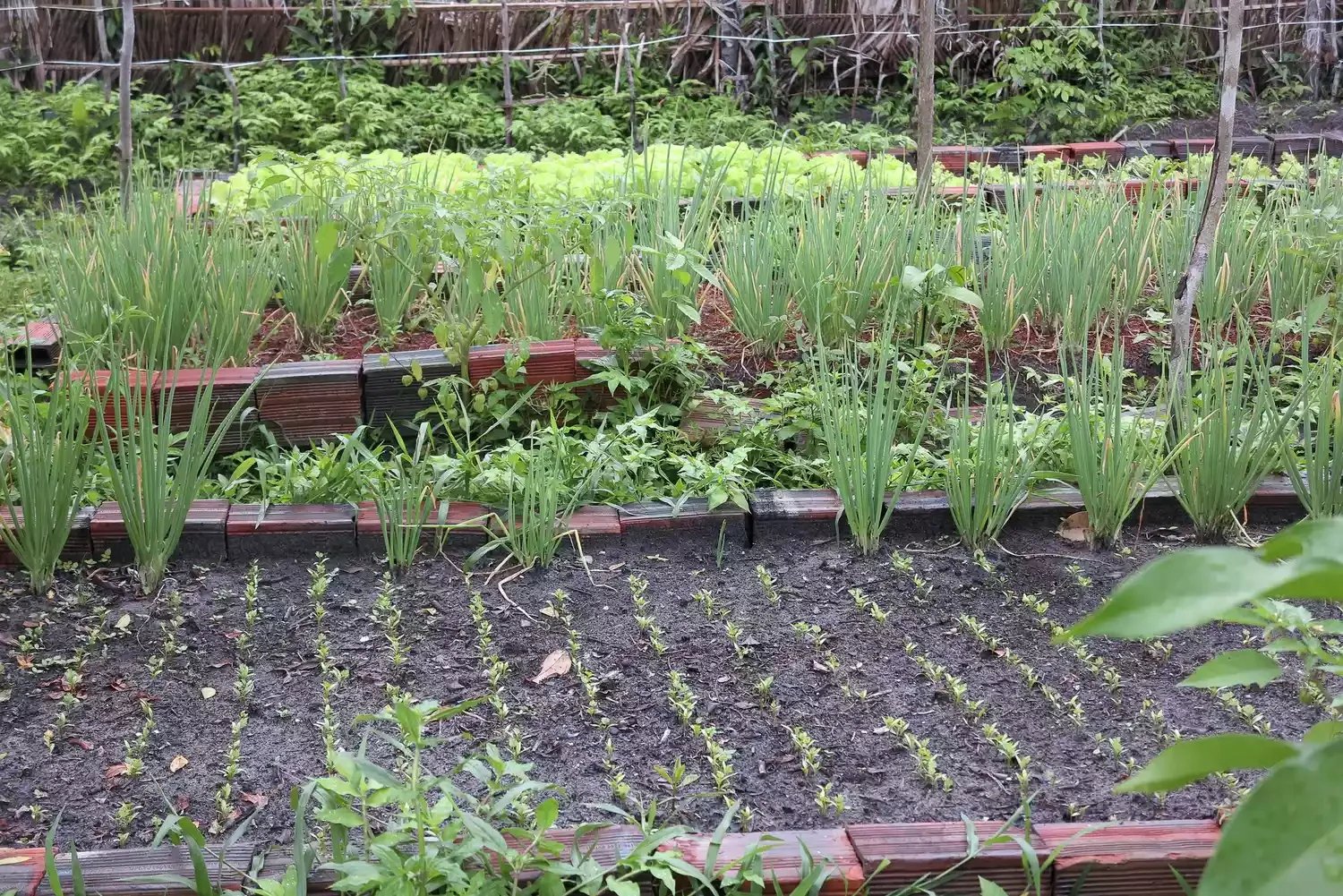
17. Define Garden Borders with Recycled Bricks
Credit: Leila Melhado
You’ll create neat, organized growing areas using old bricks laid flat or partially buried to form attractive border edges.
This simple edging solution makes weeding and harvesting much easier while giving your garden a polished, intentional appearance.
18. Frame Beds with Stone Paver Edging

Credit: Prapak Aowsakorn
You can define low-growing vegetable areas using recycled stone pavers that create clean lines without requiring tall fencing.
This approach works beautifully for lettuce, cabbage, and potato beds that don’t need climbing support but benefit from organized boundaries.
19. Implement Efficient Square Foot Planning

Credit: Sherry Galey
You’ll make every inch count using the square foot method that organizes plantings in geometric raised bed sections.
This systematic approach works perfectly for small yards and balconies while creating streamlined designs that look professionally planned.
20. Create Entertainment Areas Near Your Garden

Credit: Jennifer Blount
You’ll enjoy hosting guests when you position seating areas close to your vegetable beds for easy access to fresh ingredients.
This setup lets you harvest herbs and vegetables for impromptu salads while entertaining friends during warm weather gatherings.
21. Design Relaxing Garden Retreat Spaces

Credit: chuckcollier
You deserve a comfortable spot to rest and admire your gardening efforts, whether it’s a vintage chair or teak bench.
Position seating in partial shade with a small table nearby for the perfect garden relaxation zone after hard work.
22. Organize Containers for Maximum Accessibility

Credit: doble-d
You’ll maintain your container garden more easily by arranging pots on tables and shelves for better organization and access.
Place taller plants in back positions while keeping frequently watered containers within comfortable reach for daily maintenance.
23. Mix and Match Creative Container Styles

Credit: Elena Popova
You don’t need matching containers to create beautiful vegetable gardens – eclectic collections add personality and charm.
Repurpose wheelbarrows, old furniture, and unique vessels as planters, ensuring proper drainage for whatever you’re growing.
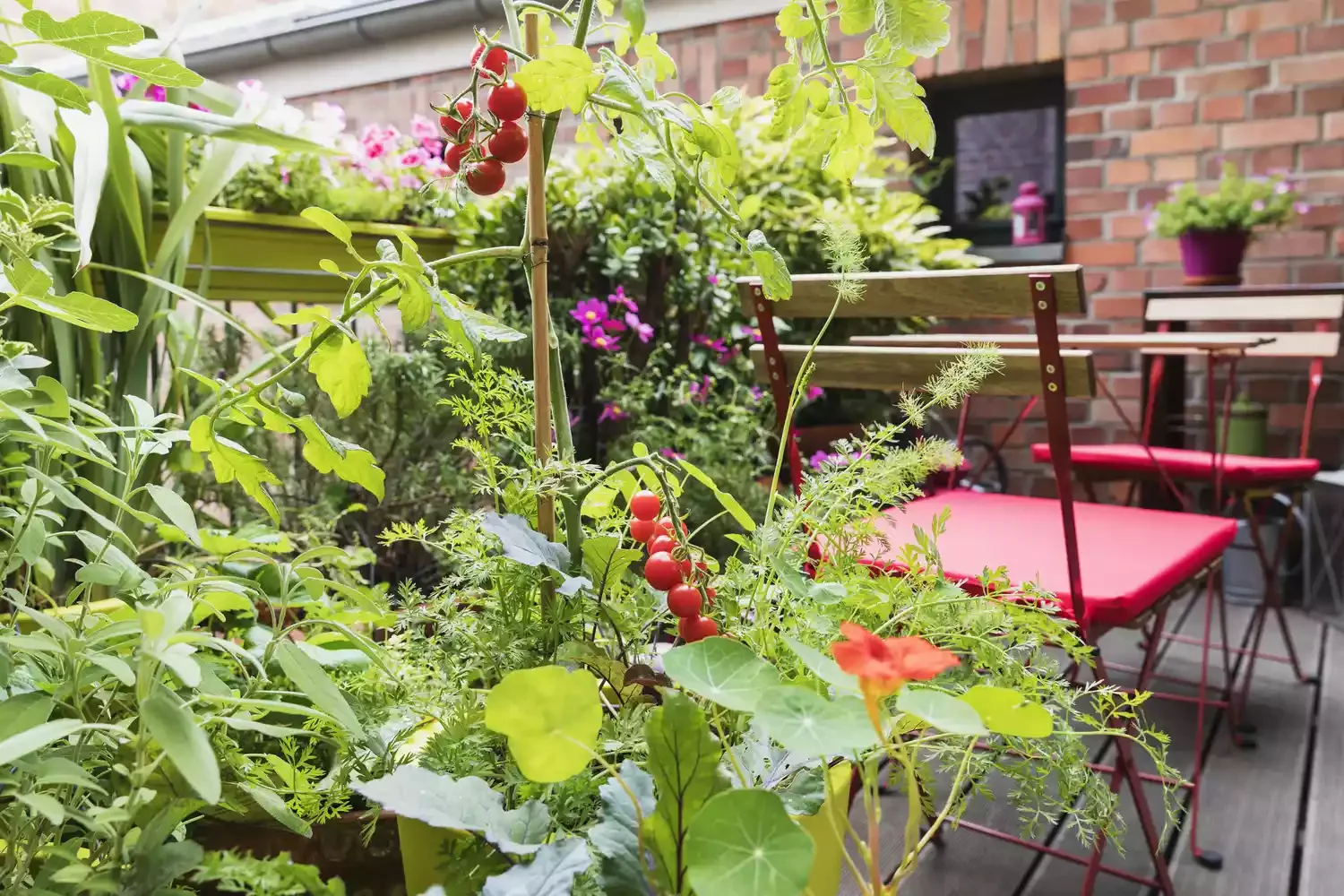
24. Transform Your Balcony into Growing Paradise
Credit: Westend61
You can create privacy and productivity by arranging containers around your balcony seating area with climbing plants.
Add flowering plants for color and fragrance while using vertical growing principles to maximize your limited space.
25. Install Attractive Low Curved Fencing

Credit: Johner Images
You’ll contain weeds and create beautiful garden definition using flexible willow fencing or salvaged saplings from your property.
This rustic approach makes laying mulch easier while adding natural texture that complements your vegetable plantings perfectly.
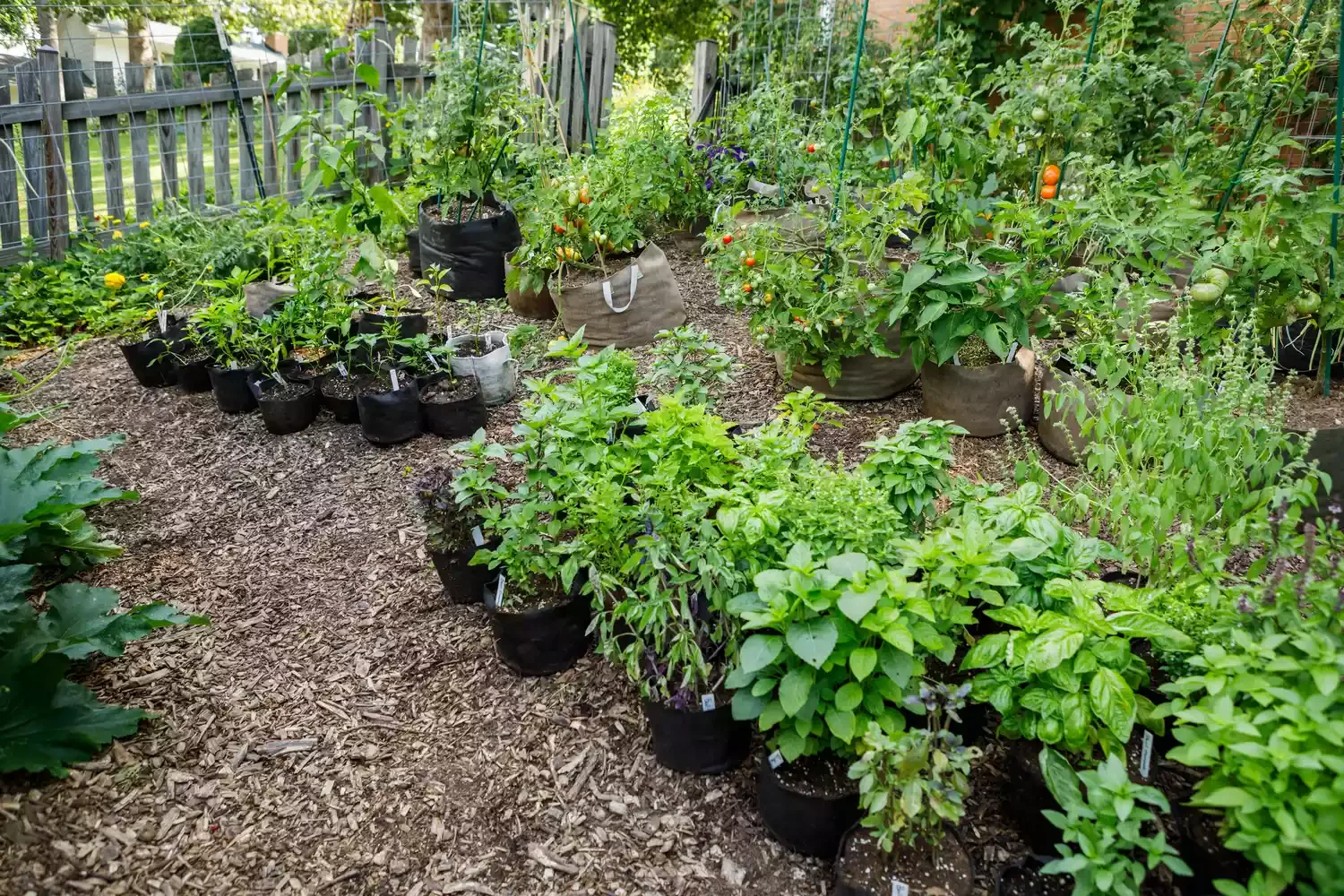
26. Simplify Maintenance with Container Gardening
Credit: eurobanks
You’ll save time and effort by choosing containers that move easily, store compactly, and require less weeding than traditional beds.
This flexible approach lets you rearrange your garden layout seasonally while maintaining beautiful, productive growing spaces.
Final Thoughts
You now have countless ways to create a vegetable garden that’s both beautiful and bountiful, regardless of your space constraints.
Remember that the best garden design combines functionality with your personal style preferences and maintenance capabilities.
Start with one or two ideas that excite you most, then expand your garden gradually as you gain confidence and experience.