
22 Winter Gardening Ideas to Transform Your Cold-Weather Space

Winter doesn’t mean your gardening dreams have to hibernate until spring arrives.
You can turn these chilly months into your most productive time for planning, planting, and preparing your outdoor spaces.
These creative winter gardening projects will keep you connected to nature while setting you up for an absolutely stunning growing season ahead.
01. Start Your Seeds Inside Your Home

Credit: Meg MacDonald
You’ll love how starting seeds indoors extends your growing season while saving money on expensive nursery plants.
Set up a simple system with seed trays, grow lights, and quality potting mix on a sunny windowsill or spare table. Your kitchen counter can become a mini greenhouse that produces amazing results all winter long.
02. Create Pollinator-Friendly Winter Habitats

Credit: Nennieinszweidrei / Pixabay
You can support struggling bee populations by building a simple bee hotel using untreated wood and a drill.
Leave those fallen leaves in your flower beds too – they provide crucial winter shelter for beneficial insects. This small effort creates a thriving ecosystem that’ll reward you with better pollination come spring.
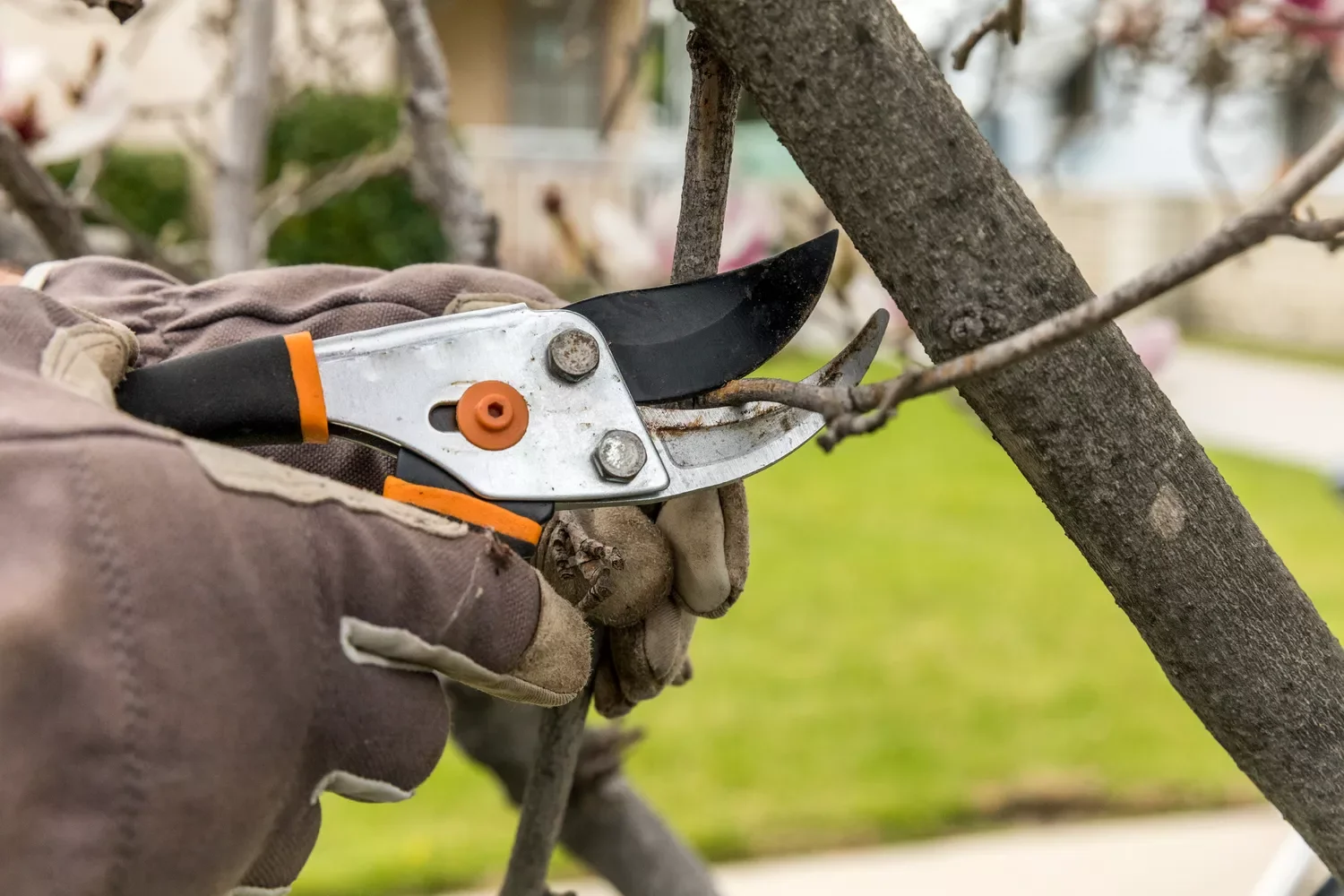
03. Shape Trees During Their Dormant Season
Credit: Jayme Burrows
Winter pruning gives you the perfect opportunity to reshape your fruit trees and ornamental plants without stressing them.
You can clearly see the tree’s structure without leaves blocking your view, making precise cuts easier. Just avoid pruning spring-flowering trees that bloom on old wood, or you’ll sacrifice this year’s beautiful flowers.
04. Construct Fresh Garden Beds for Spring

Credit: Steven Merkel
You’ll have plenty of time to build raised beds or try the lasagna gardening method during winter’s slower pace.
Layer organic materials like logs, leaves, and kitchen scraps to create nutrient-rich growing spaces. By spring, these materials will decompose into the perfect growing medium for your new plants.
05. Set Up Your Own Worm Composting System

Credit: Meg MacDonald
You can create rich compost year-round using a simple plastic storage container and red wiggler worms.
Drill ventilation holes, add bedding material, and let the worms transform your kitchen scraps into black gold. This compact system works perfectly in basements, garages, or even under your kitchen sink.
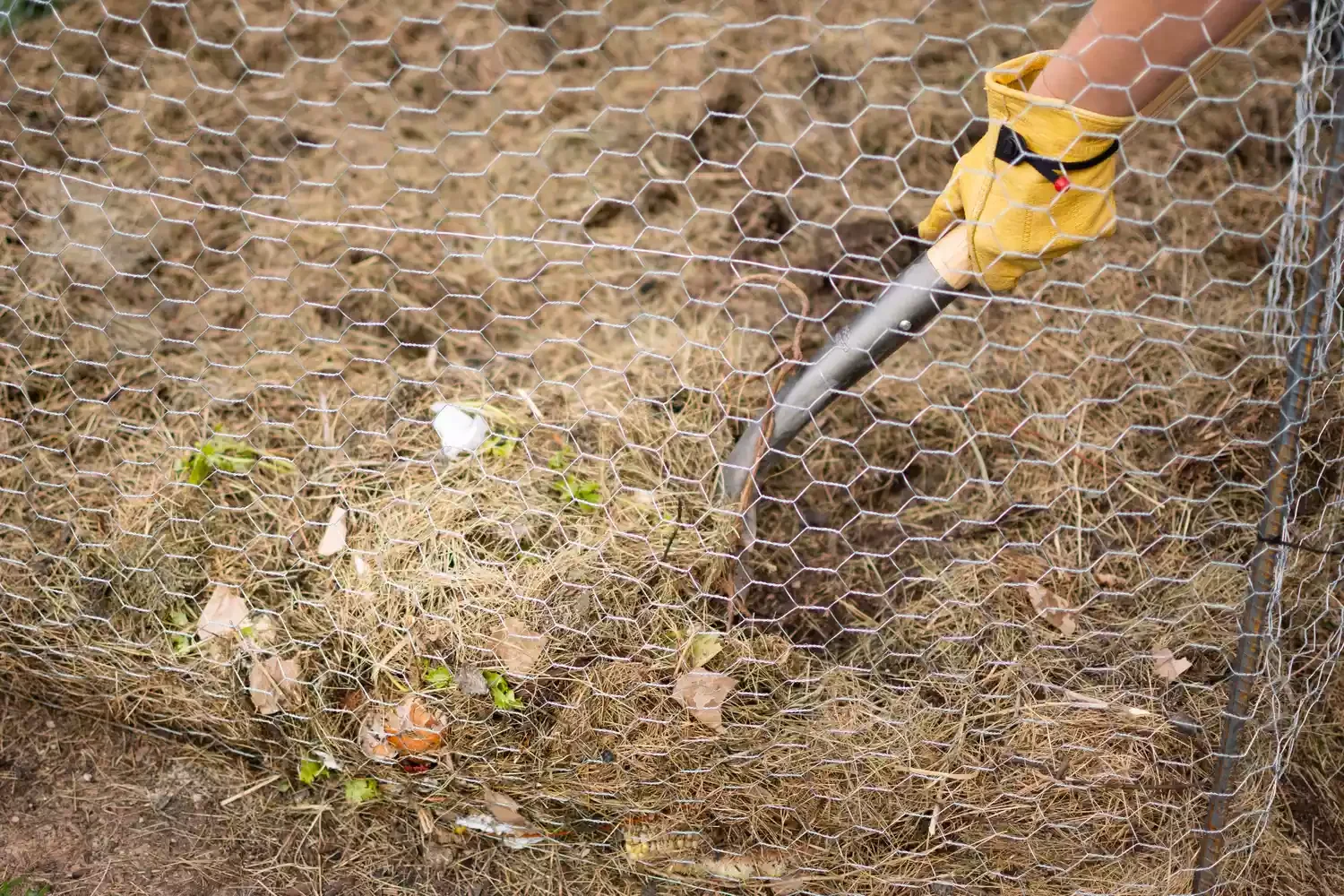
06. Continue Composting Through Cold Weather
Credit: Meg MacDonald
Your compost pile doesn’t need to stop working just because temperatures drop below freezing.
Insulate your bin with straw or leaves to maintain decomposition activity throughout winter months. You’ll have rich, finished compost ready to feed your spring garden when planting season arrives again.
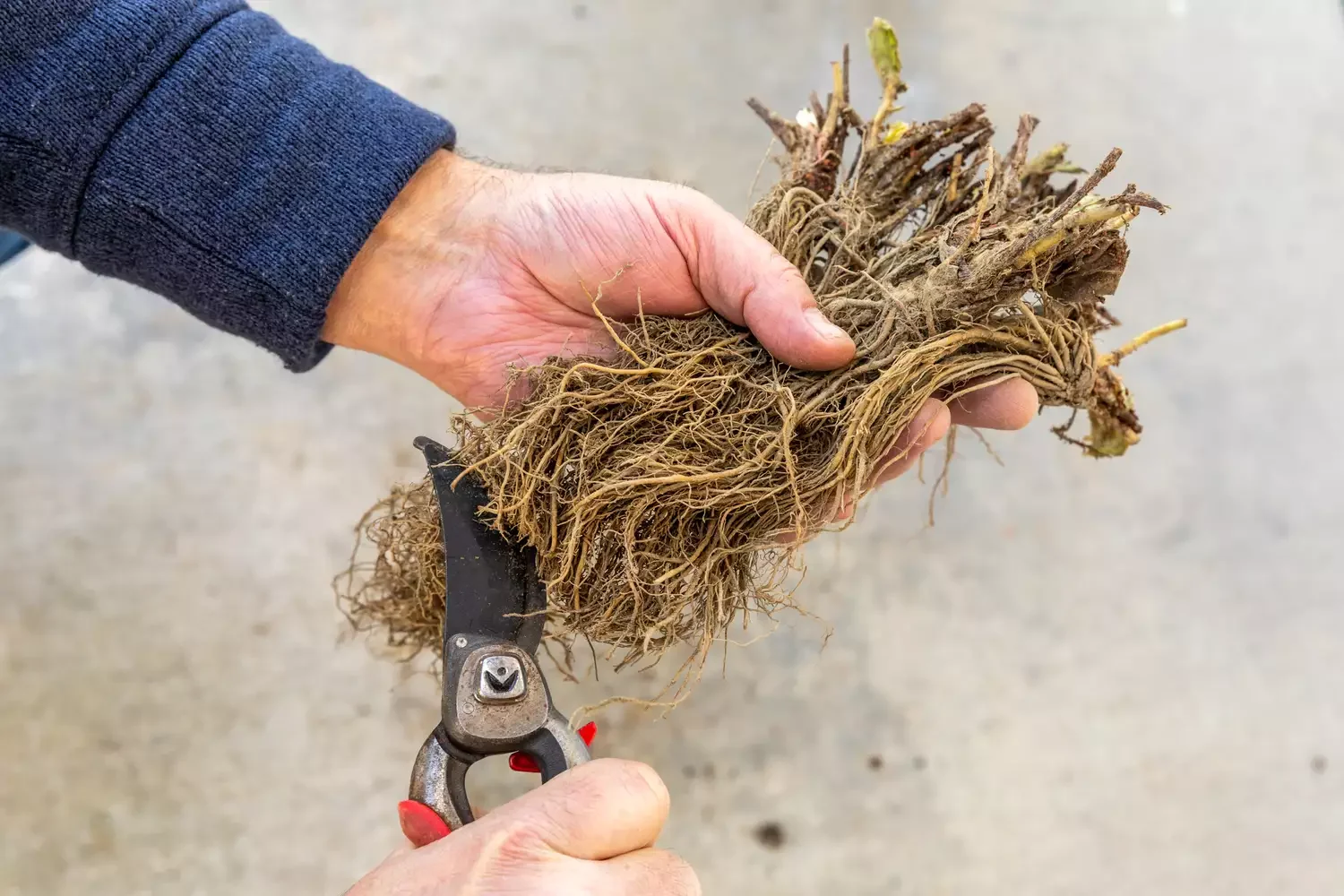
07. Don’t Forget to Order Bare Root Plants
Credit: Jayme Burrows
You’ll get better prices and selection when you order bare root fruit trees and perennials during winter months.
These dormant plants establish stronger root systems than container-grown alternatives once planted in spring. Place your orders early to secure the varieties you want before they sell out completely.
08. Boost Soil Health with Winter Amendments

Credit: Jason Donnelly
You can improve your garden’s fertility by adding compost, manure, or organic fertilizers directly to beds during winter.
These amendments slowly break down over the cold months, creating perfect growing conditions by spring. If your ground is frozen, simply layer amendments on top and cover with mulch.
09. Plant for Beautiful Winter Garden Views

Credit: Loren Probish
You’ll enjoy your garden even in snow when you include plants with colorful bark, bright berries, or interesting seed heads.
Native plants like winterberry and red dogwood provide food for wildlife while creating stunning focal points. Use winter months to research and plan additions that’ll make your garden gorgeous year-round.
10. Craft Wildflower Seed Balls for Easy Planting

Credit: congerdesign / Pixabay
You can make gardening more fun by creating seed balls that make wildflower planting effortless and enjoyable.
Mix clay powder, potting soil, and native flower seeds with water to form small balls. Once dried, these portable planters can be tossed anywhere you want colorful blooms to appear.
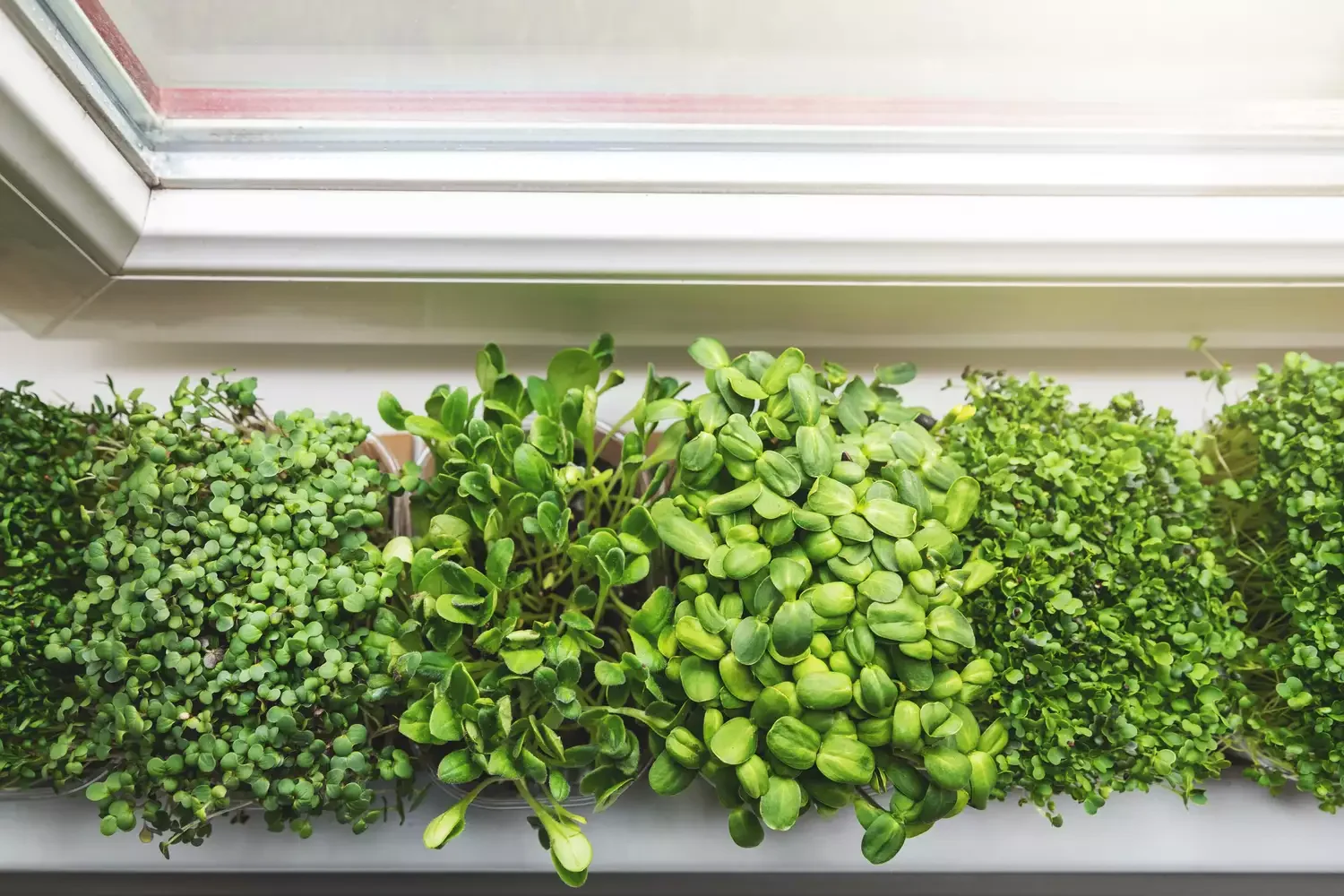
11. Grow Fresh Microgreens on Your Windowsill
Credit: ronstik
You don’t need outdoor space to enjoy fresh, homegrown greens throughout the coldest winter months.
Radish, kale, and arugula microgreens grow quickly in shallow containers on sunny windowsills. These nutrient-packed baby greens will keep your salads interesting while you wait for spring to return.
12. Build Custom Plant Supports from Natural Materials

Credit: Mint Images
You can create beautiful, functional trellises using fallen branches and twigs collected after winter storms pass through.
Weave these natural materials together with twine to make obelisks and climbing supports for your beans and flowering vines. This winter project saves money while adding rustic charm to your garden design.
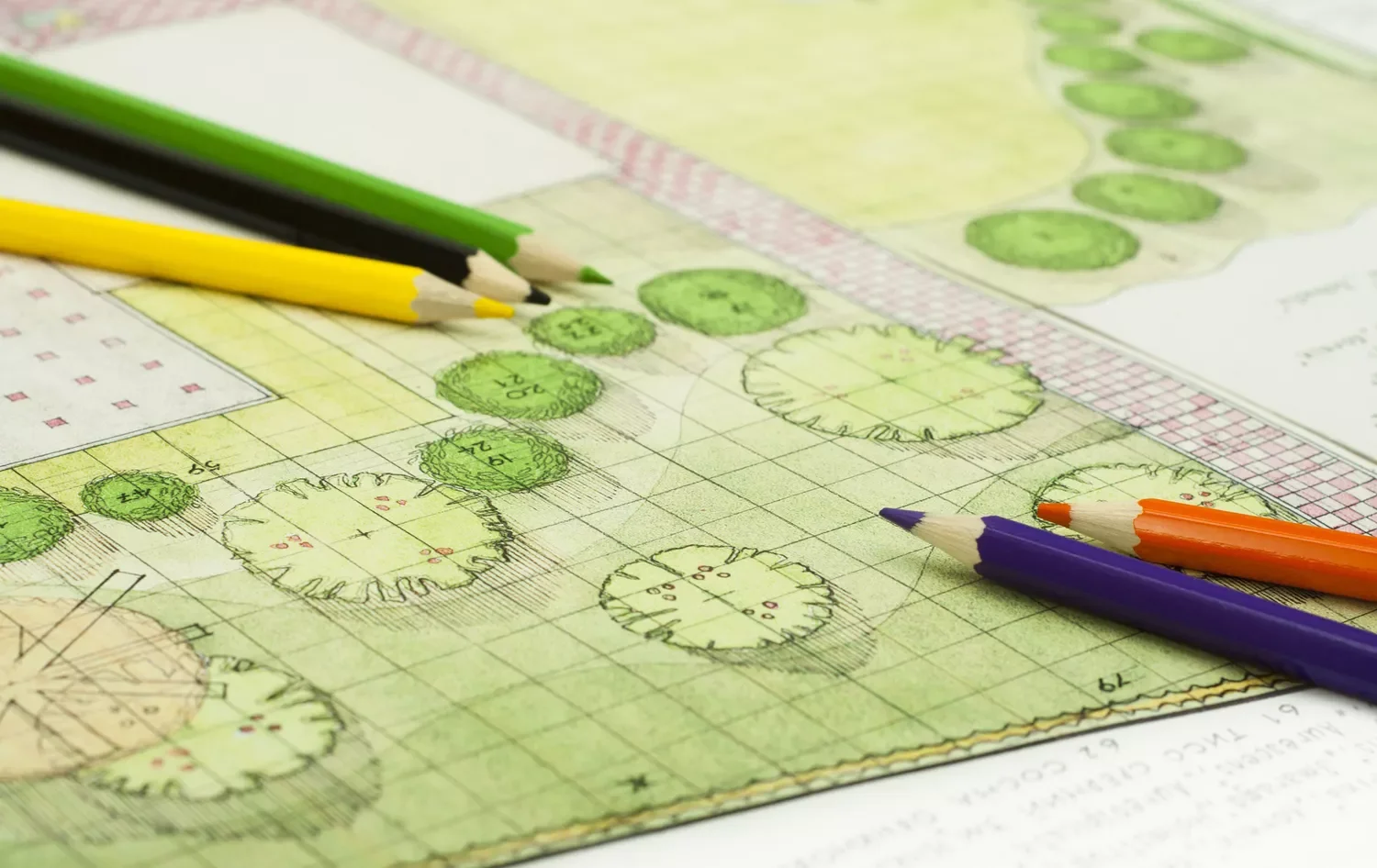
13. Design Your Dream Garden Layout
Credit: darrya
You’ll have uninterrupted time during winter to sketch garden plans and browse inspiring seed catalogs for new ideas.
Start a garden journal to track what works and what doesn’t in your space. This planning time helps you make informed decisions about plant placement and garden improvements for the coming year.
14. Protect Soil with Strategic Mulch Application

Credit: Jacob Fox
You can prevent soil erosion and maintain moisture levels by applying mulch around your plants during winter months.
Use organic materials like chopped leaves, straw, or wood chips in two to four-inch layers. Keep mulch away from plant stems to prevent rot while protecting roots from harsh temperature fluctuations.
15. Create Unique Plant Labels and Garden Art

Credit: Adelyn Duchala
You’ll enjoy crafting personalized plant markers using clay, recycled materials, or interesting objects from your garden.
Let creativity guide you as you transform everyday items into functional garden art that reflects your personality. These custom labels help you remember plant locations while adding whimsical touches to your outdoor spaces.
16. Restore Garden Tools to Like-New Condition

Credit: Meg MacDonald
You can extend your tools’ lifespan by cleaning rust with white vinegar and steel wool during winter downtime.
Disinfect pruning shears with rubbing alcohol if you dealt with plant diseases last season. Well-maintained tools perform better and make spring gardening tasks much more enjoyable and efficient to complete.
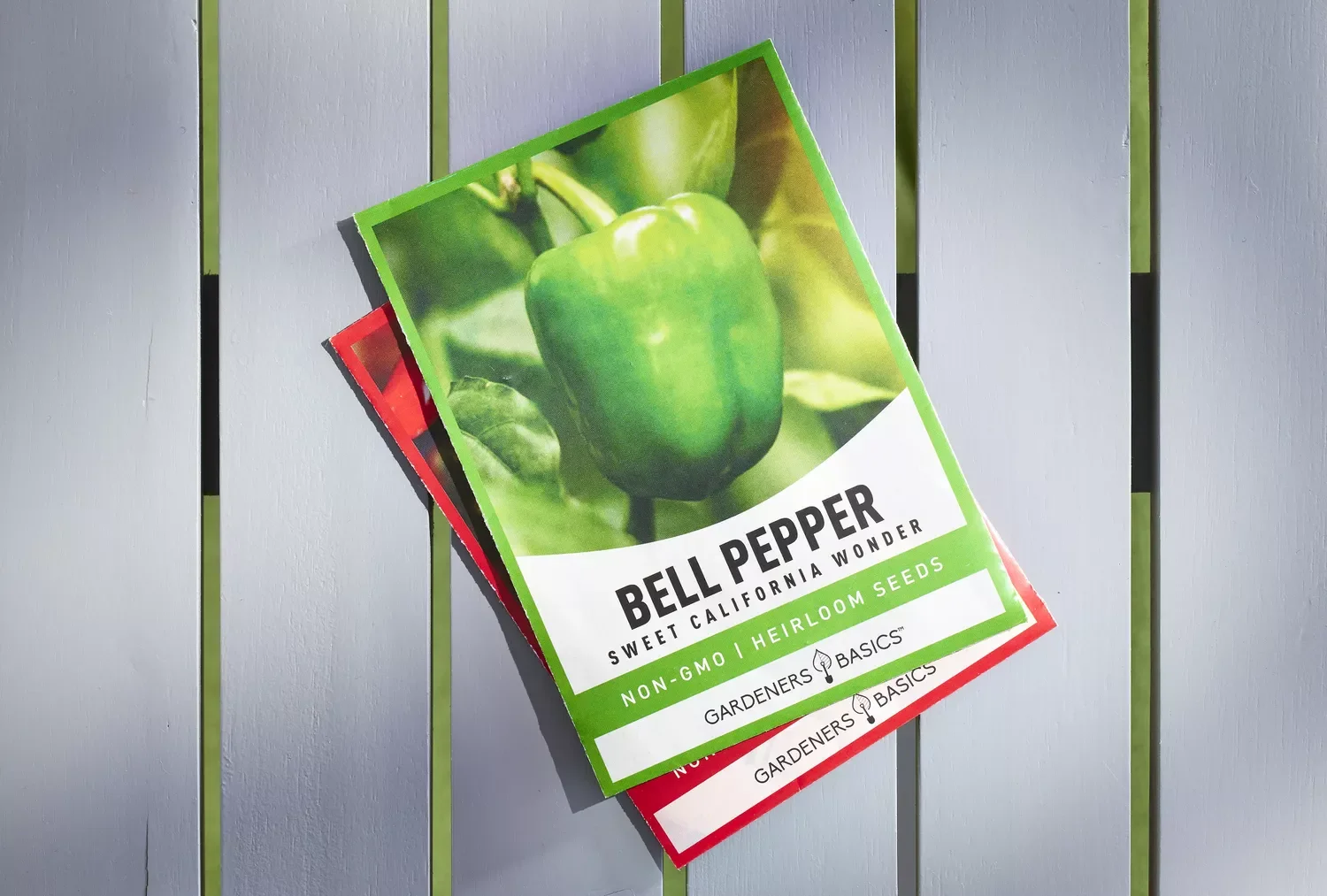
17. Browse and Order Seeds for Next Season
Credit: Brie Goldman
You’ll get the best selection and prices when you order seeds early from catalogs and reputable online sources.
Try a few new varieties each year to keep your garden exciting and productive. Store seeds in cool, dry conditions until planting time arrives and you’re ready to start your growing adventure.
18. Cultivate Fresh Herbs Indoors Year-Round

Credit: Brie Goldman
You can enjoy fresh basil, chives, and cilantro all winter by growing herbs in pots on sunny windowsills.
Most culinary herbs adapt well to indoor growing conditions and provide fresh flavors for your cooking. This indoor garden keeps your connection to growing things strong during the coldest months outside.
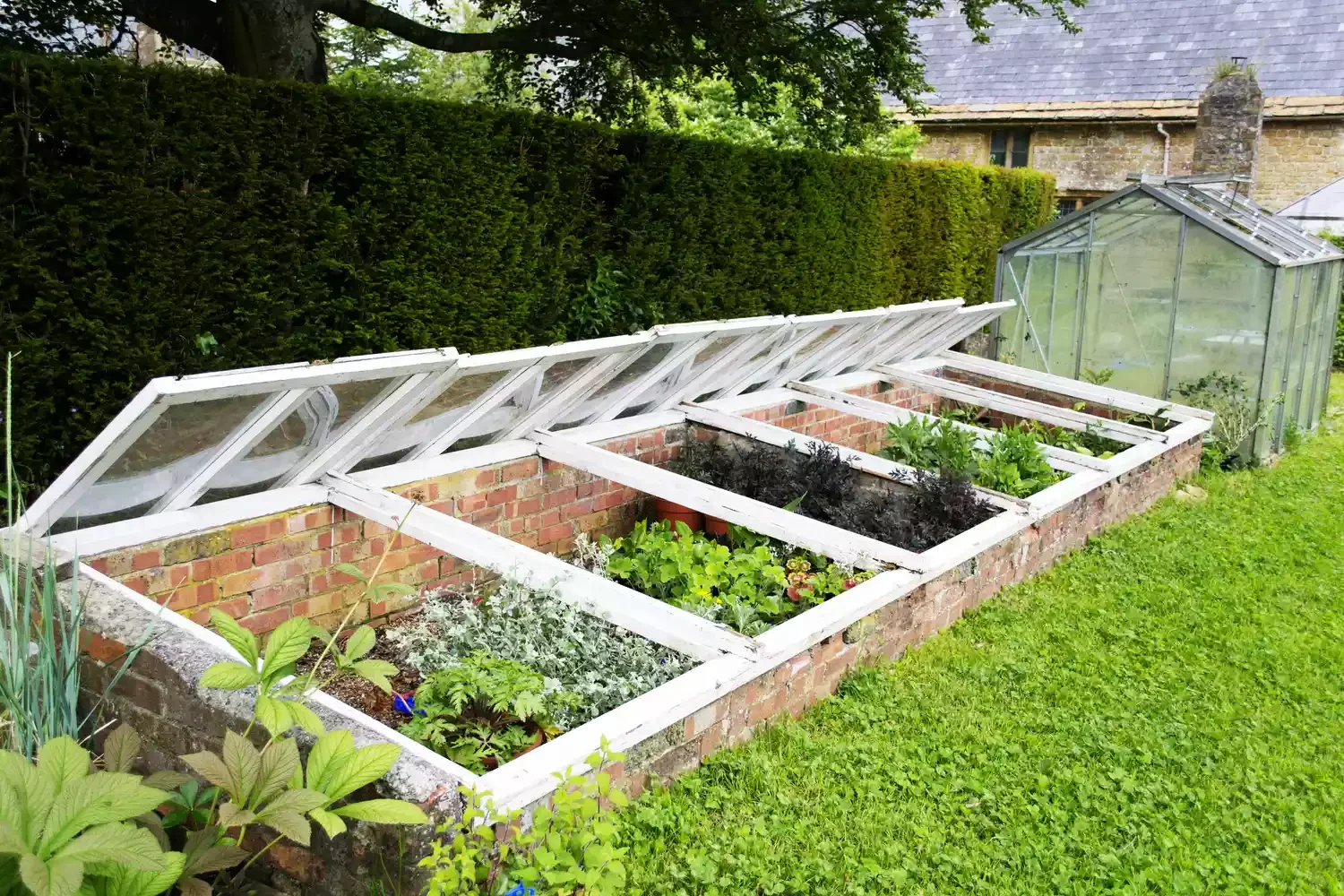
19. Extend Growing Season with Cold Protection
Credit: Mypurgatoryyears
You can harvest fresh vegetables all winter using row covers, cold frames, or simple plastic tunnels over your beds.
Hardy crops like kale, carrots, and Brussels sprouts actually taste sweeter after frost hits them. Try growing heat-loving plants like cherry tomatoes indoors in containers for year-round fresh produce.
20. Welcome Winter Birds to Your Garden

Credit: Adrienne Legault
You’ll bring life and movement to your winter garden by providing food and water sources for local bird populations.
Set up feeders filled with seeds and maintain a heated water source for drinking and bathing. Watching colorful birds adds joy to dreary winter days while supporting urban wildlife conservation efforts.
21. Naturally Stratify Seeds Outdoors in Winter

Credit: Michelle Becker
You can use milk jugs as mini greenhouses to naturally prepare seeds that need cold treatment before germinating.
This winter sowing method works perfectly for native wildflowers and perennials that require stratification. Seeds experience natural freeze-thaw cycles that trigger healthy germination when warm weather returns in spring.
22. Test and Improve Your Garden Soil

Credit: Meg MacDonald
You’ll make better growing decisions when you test your soil every few years to check nutrient levels and pH balance.
Winter testing gives you time to add necessary amendments before spring planting begins. Understanding your soil’s needs helps you choose appropriate plants and fertilizers for maximum garden success and productivity.
Final Thoughts
Winter gardening opens up a world of possibilities that many people never discover or explore fully.
These cold-weather projects keep you connected to your garden while preparing for an amazing growing season ahead.
Start with a few projects that excite you most, and you’ll find that winter becomes your favorite time for garden planning and preparation activities.